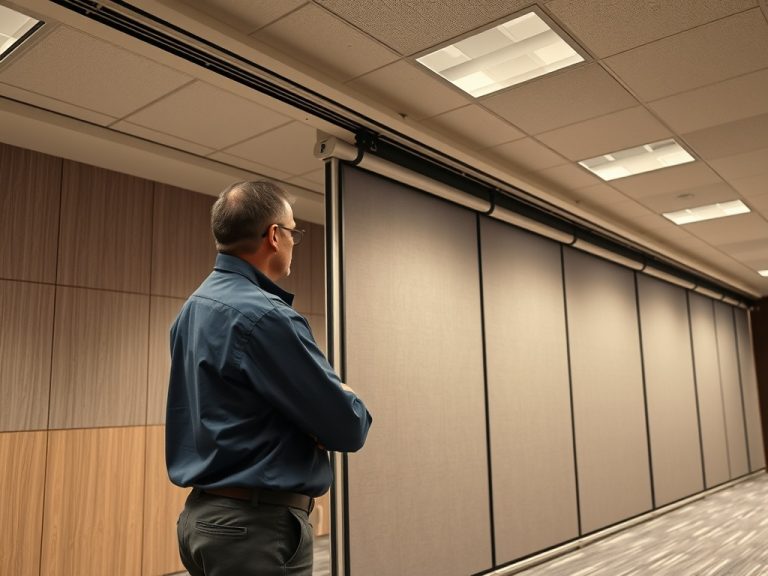
A general contractor turns drawings, contracts, labor, materials, inspections, and subcontractor work into a coordinated jobsite plan. For owners and project teams, the GC is usually the party responsible for day-to-day construction execution, but the exact duties depend on the delivery method and contract documents.
Jobsite Role Snapshot
- A GC does not design the building in the same way an architect or engineer does, unless the contract structure assigns design responsibility through design-build or delegated design.
- The GC usually coordinates subcontractors, site logistics, schedule, safety planning, quality control, requests for information, change documentation, and closeout.
- Owners should judge a GC by communication discipline, field leadership, scope control, safety culture, and ability to document decisions.
- The contract, not the title alone, defines legal responsibility. Local codes, licensing rules, and project delivery methods can change the details.
The GC is the field integrator
On a live construction site, many trades depend on one another. Concrete placement affects framing. Framing affects rough-in. Rough-in affects inspections. Inspections affect drywall and finishes. The general contractor is the field integrator who sequences this work so one trade does not block another or create rework.
That coordination role can feel invisible when things go well. It becomes obvious when the jobsite lacks it: crews arrive before areas are ready, materials are stored in the wrong location, change orders lag behind field decisions, and inspections expose avoidable misses. The GC's practical value is not just hiring subcontractors. It is keeping the work buildable, sequenced, documented, and safe.
The American Institute of Architects explains contract relationships across common construction arrangements, which is a useful reminder that the GC's role sits inside a defined project structure, not a generic chain of command through construction contract relationship diagrams.
Who does what on a typical project
| Participant | Core responsibility | Common misunderstanding |
|---|---|---|
| Owner | Defines business goals, budget expectations, approvals, and occupancy needs | The owner may still need to make timely decisions even after hiring a GC |
| Architect or design team | Produces design documents and helps interpret design intent | The design team is not automatically responsible for contractor means and methods |
| General contractor | Coordinates construction work, subcontractors, schedule, site logistics, safety planning, and closeout | The GC does not control every risk outside the contract or beyond site conditions |
| Subcontractors | Perform specialized trade scopes such as electrical, plumbing, concrete, roofing, or interiors | Subcontractors need coordination, access, and information to work efficiently |
| Authority having jurisdiction | Reviews permits, inspections, and code compliance within its authority | Local requirements can differ by jurisdiction and project type |
This division matters when owners compare bids. A lower price may exclude coordination, supervision, documentation, allowances, or closeout support that another GC has included. Before hiring, ask what is covered in general conditions, who manages field supervision, how subcontractor gaps are handled, and what documentation is provided at turnover.
How the GC controls daily work
Most GC work is practical and repetitive. Field leaders confirm which areas are ready, what crews are scheduled, what inspections are pending, and what constraints might stop progress. They track submittals, requests for information, change directives, material lead times, site access, safety observations, and punch-list items.
Good GCs also filter information. Not every field issue needs an executive meeting, but unresolved questions need a documented path. A missing finish selection, delayed equipment submittal, unapproved change, or access restriction can all create schedule and cost pressure. The GC's job is to surface these constraints early enough for the team to act.
Safety management is central to this role. OSHA describes construction as a high-hazard industry with risks such as falls, struck-by incidents, electrocution, machinery hazards, silica, and asbestos exposure. A responsible GC does not treat safety as a poster on a wall; it is part of pre-task planning, site coordination, and hazard control under construction safety resources.
What owners should ask before hiring a GC
The best interview questions reveal how the contractor manages friction. Ask how they handle incomplete drawings, long-lead materials, change pricing, delayed approvals, daily reports, safety observations, and subcontractor nonperformance. Ask who will be on site, how often senior management visits, and what the escalation path looks like.
Owners should also ask how the GC uses data. A contractor that relies only on informal updates may struggle to manage a complex job. A contractor that builds clear reporting habits can connect field information to cost, schedule, quality, and closeout. This is why many teams now invest in better dashboards for project and maintenance teams as a way to turn field status into decisions.
A strong GC also thinks beyond substantial completion. Maintenance staff need warranties, asset data, approved submittals, attic stock records, O and M manuals, inspection records, and contact information for service. When closeout is weak, the owner inherits confusion. When it is organized, future maintenance becomes easier to plan and document.
Where GC responsibility can be misunderstood
A GC may coordinate subcontractor work, but that does not mean the GC guarantees that every design choice will perform in every future condition. A GC may manage schedule, but the owner, design team, suppliers, weather, inspections, and change decisions can all affect timing. A GC may support quality control, but the project still needs clear specifications and timely design responses.
This distinction is especially important in envelope work. If a project has window, joint, or exterior wall conditions that require ongoing care, the owner should understand where construction scope ends and maintenance responsibility begins. A practical handoff may point the facilities team toward sealant maintenance plans for windows, joints, and exterior walls rather than assuming the installed assembly can be ignored indefinitely.

How delivery method changes the role
In design-bid-build, the owner typically hires the designer first and then bids construction to contractors. In construction manager at risk, the builder may advise during preconstruction and then take on construction responsibility. In design-build, one entity is responsible for both design and construction under a single contract structure. The Design-Build Institute of America explains that best practices differ because responsibilities and communication paths shift with the delivery model through design-build best practice resources.
For owners, the practical question is not which method sounds best. It is which method matches the project's complexity, risk tolerance, internal decision capacity, and need for early builder input. A GC can be excellent in one delivery environment and still be a poor fit for another if the project needs different leadership, documentation, or procurement skills.
Field Coordination Checklist for Owners
Before awarding work, confirm that the GC can explain:
- Who will supervise the site daily and who has decision authority.
- How schedule updates, RFIs, submittals, and changes will be documented.
- How safety planning is handled with subcontractors and visitors.
- How quality inspections, mockups, and punch work will be managed.
- How closeout documents will be transferred to the facility team.
- What is excluded, assumed, or carried as an allowance.
What to Confirm Before You Hire or Coordinate One
A general contractor's real job is controlled execution. The title matters less than the contract, the field team, and the systems used to coordinate people and information. Owners should compare GCs by how clearly they manage scope, safety, schedule, cost, and handoff, then choose the team that can make the project easier to build and easier to operate after turnover.