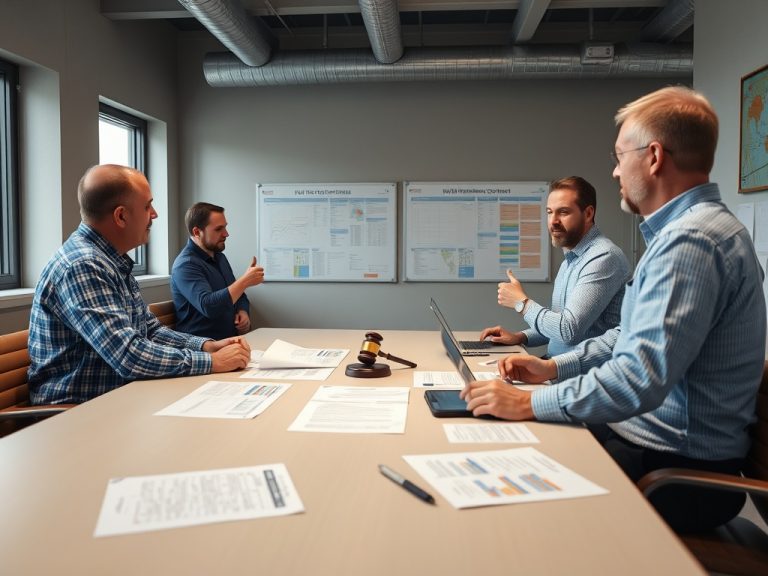
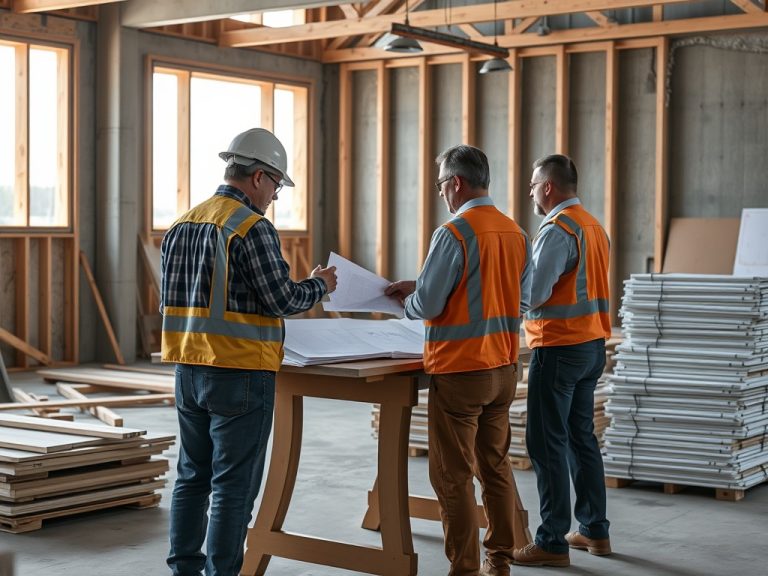
In 2026, project delivery is being shaped by uneven demand, labor pressure, cost uncertainty, data center and energy infrastructure activity, digital coordination, and stronger owner interest in resilience. The practical takeaway is not to chase every trend, but to adjust planning, procurement, risk reviews, and closeout habits to match a more selective market.
Delivery Trend Snapshot
- Market conditions are not uniform. Some sectors are expanding while others face slower starts or tighter financing.
- Owners are asking for more certainty around cost, schedule, energy resilience, and operational handoff.
- Digital tools are moving from optional reporting aids toward coordination, risk tracking, and field documentation support.
- Labor availability and skill development remain central constraints, so constructability and sequencing matter more, not less.
Demand is shifting by sector
The construction market is not moving in one direction across every segment. AGC's 2026 outlook points to strength in areas such as data centers and power while also noting uncertainty around labor, materials, tariffs, and financing. The result is a more selective delivery environment where project teams need to understand the specific sector, geography, funding source, and risk profile behind each job through the AGC 2026 construction outlook.
AIA's January 2026 construction forecast also highlights slower nonresidential growth and sector imbalance. That matters for delivery because owners may hold some projects longer in preconstruction, redesign scopes, phase work, or require stronger cost validation before releasing major packages. The best teams will not treat every delayed start as lost work. Some will use the time to improve documents, confirm long-lead items, and clarify escalation paths through the AIA consensus construction forecast.
Cost certainty is becoming a delivery feature
Owners are not just buying construction. They are buying confidence. That changes how contractors should approach estimating, procurement, allowances, contingencies, and alternates. A bid that looks clean but hides unresolved scope may create conflict later. A proposal that explains risk, assumptions, and decision deadlines can be more useful even when the number is not the lowest.
The delivery trend here is greater transparency. Contractors and owners are using earlier subcontractor input, value analysis, procurement logs, escalation clauses, and dashboard reporting to prevent surprises. This does not remove market uncertainty, but it can make the uncertainty visible enough to manage. A practical preconstruction review should separate must-have scope, optional alternates, owner decision deadlines, and risks that need formal contingency rather than informal optimism.
Teams that already use better dashboards for project and maintenance teams are better positioned to track pending changes, procurement risks, open RFIs, and maintenance handoff items before they become end-of-project disputes.
Workforce constraints are changing sequencing
Labor constraints are not only a hiring issue. They shape how work is planned. Short crews, specialty trade bottlenecks, and supervisor workload can make a technically simple sequence difficult to execute. Contractors are responding with more prefabrication, earlier work packaging, clearer scopes, better field leadership development, and tighter look-ahead planning.
The operational lesson is that constructability has to happen before the jobsite is under pressure. Field leaders need enough detail to know what work is ready, what materials are available, what inspections are required, and where trade stacking could create safety or quality problems. Owners should also ask how the team will protect supervisory bandwidth because a thin management layer can turn small coordination gaps into expensive rework, delayed inspections, and strained trade relationships during peak activity.
For owners, this means earlier questions about labor planning. Who is supervising? Which trades are scarce? What work can be prefabricated? Which decisions must be made before crews are released? These questions are not micromanagement; they are part of delivery risk management.
Digital coordination is moving closer to field decisions
Deloitte's 2026 engineering and construction outlook describes a market where innovation and resilience are becoming strategic responses to shifting conditions. Digital tools are part of that response, especially when they improve coordination, documentation, and decision speed through the Deloitte 2026 E and C outlook.
The most useful tools are not always the most advanced. A shared submittal log, reliable model coordination, consistent issue tracking, and clean daily reports can create more value than a sophisticated platform filled with incomplete data. Artificial intelligence, image capture, and analytics may help teams sort information faster, but they still depend on accurate inputs and accountable review.
This is why jobsite fundamentals remain relevant. Even as technology changes, the field still needs disciplined coordination between planning, supervision, safety, sequencing, and direct communication. Tools support that role; they do not replace judgment.

Resilience and maintenance are influencing construction choices
Owners are paying more attention to what happens after turnover. Energy use, backup power, envelope performance, storm exposure, water intrusion, access for maintenance, and material durability can influence design and procurement. This does not mean every project needs premium systems. It means life-cycle thinking is moving earlier into project delivery.
Envelope work is a good example. A building can look complete while still needing planned exterior care. Owners that understand sealant maintenance for windows, joints, and exterior walls can ask better questions during construction about joint design, access, product data, and future inspection intervals.
Interior flexibility is another example. Movable partitions, operable walls, and specialty doors are often chosen for adaptable space, but they need handoff documentation and service planning. Ignoring maintenance for operable walls, movable partitions, and specialty doors can turn a design feature into an operating complaint.
Trend-to-action comparison
| Trend | What it means for project delivery | Practical response |
|---|---|---|
| Uneven demand | Some sectors remain busy while others slow | Validate sector-specific risk before bidding or buying |
| Cost uncertainty | Owners need clearer assumptions | Track allowances, alternates, and pending changes visibly |
| Labor pressure | Schedule logic may be constrained by trade availability | Improve work packaging and look-ahead planning |
| Digital adoption | More data is available, but not all of it is useful | Tie tools to decisions and data ownership |
| Resilience focus | Owners care about uptime and future maintenance | Bring facility input into design and closeout earlier |
How to Read the Year Without Chasing Every Trend
The strongest project teams in 2026 will combine market awareness with disciplined basics: clear scope, realistic schedules, early procurement, clean data, safety planning, and maintainable handoff. Treat trends as signals for better questions, not as shortcuts. The next practical move is to review active projects against the five trend categories and decide where planning needs to be tightened before construction pressure rises.