How to Brush a Baby’s Teeth Without the Daily Battle
Brushing a baby’s teeth usually goes better when it feels predictable, fast, and low-pressure. The goal is not a perfect Instagram routine. It is a short, repeatable habit that cleans the teeth twice a day without turning oral care into a power struggle.
Fast take for parents
Start brushing as soon as the first tooth appears.
Use a small soft brush and a rice-grain smear of fluoride toothpaste for children under 3.
Keep the routine short, consistent, and tied to the same times each day.
A routine dental visit can help if brushing is persistently impossible, your baby has visible spots on teeth, or you want technique coaching. Seek prompt care sooner for swelling, injury, fever with mouth pain, or trouble eating.
Why brushing babies’ teeth can get so hard
Most babies do not object because they are “being difficult.” They object because brushing can feel unfamiliar, overstimulating, or badly timed. Tired babies, hungry babies, and babies who are already frustrated are less likely to cooperate.
Step 1: Pick the easiest times, not the idealized times
The most important brushing moments are:
In the morning
Before bed after the last feed or drink other than water
If your baby melts down at bedtime, do not wait until they are half asleep. Brush a little earlier in the wind-down routine, then avoid another milk or juice exposure afterward if possible.
Good timing choices
- after a diaper change
- after bath time
- during a song you always use
- when one adult holds and another brushes
- before the baby gets overtired
Step 2: Use simple tools
You do not need a crowded basket of products.
What usually works best
- a baby or toddler toothbrush with a small head and soft bristles
- a smear of fluoride toothpaste about the size of a grain of rice for children under 3
- a clean washcloth for wiping gums if no teeth have erupted yet
- a calm place with good light
Many families get better results when the second toothbrush is for the baby to hold while the parent uses the brushing toothbrush. That gives the child something to do with their hands and makes the routine feel less one-sided.
Step 3: Choose a position that gives you control without making it feel scary
A few positions work well:
baby lying with head in your lap while you sit on the floor or bed
baby facing away from you, gently supported against your body
one adult cuddling the baby while the other brushes
for older toddlers, brushing together in front of a mirror
The best position is the one that lets you see the teeth clearly and finish quickly. If you cannot see the gumline, brushing usually gets longer and more frustrating.
Step 4: Keep the script the same every time
Babies respond well to routines that sound and feel familiar. Try a short script such as:
“Open, brush, all done.”
“Top teeth, bottom teeth, spit if you can.”
“Brush, hug, lights out.”
A short song can help too. Predictability lowers resistance because your child starts to know what is coming and how long it will last.
Step 5: Aim for a fast, effective clean
You do not need a long scrub. Focus on:
front teeth
back chewing surfaces if they are in
the gumline where plaque sits
any areas where milk or food tends to collect
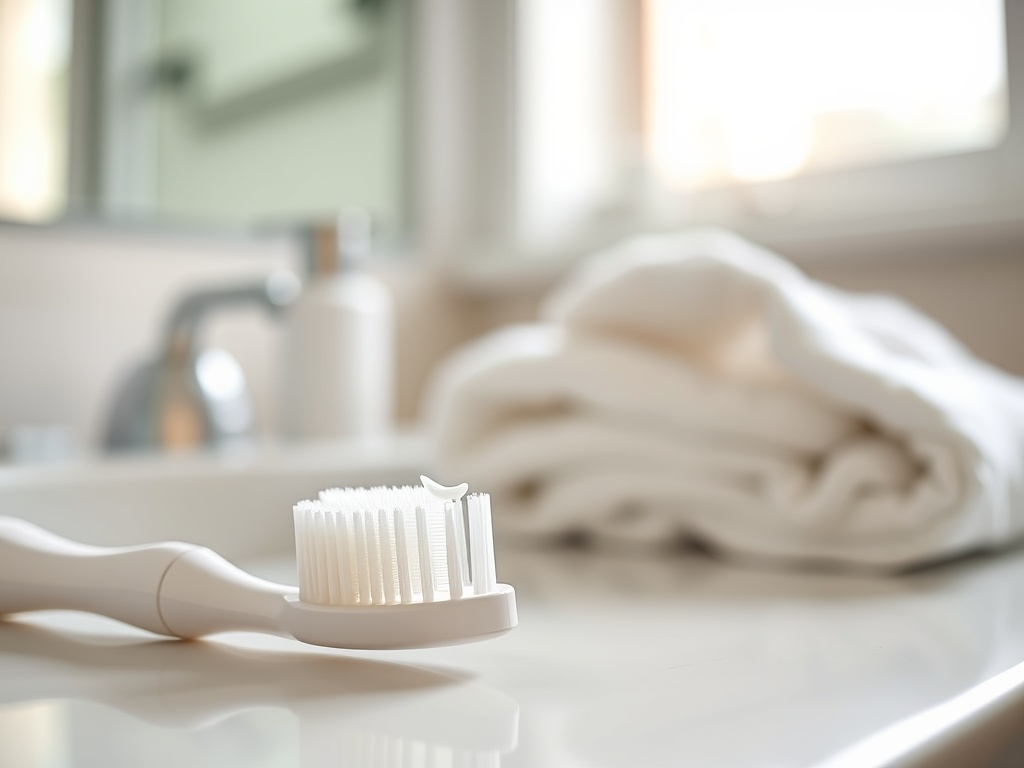
Short, gentle circles usually work better than hard horizontal scrubbing. The goal is to remove plaque, not polish the teeth.
If brushing struggles are part of a bigger pediatric care pattern, How Much Help Do Kids Need With Brushing and Flossing by Age?, Why the First Dental Visit Should Happen by Age One, and How to Prepare an Anxious Child for a Dental Appointment give practical context on home care, early visits, and anxiety-friendly appointment prep.
Step 6: Use cooperation tricks that do not create new problems
Helpful strategies include:
letting your baby hold a second toothbrush
naming teeth as you brush
brushing your own teeth first so they copy you
counting to five for each section
praising the process, not the child’s mood
Less helpful strategies include:
bribing with sweets
chasing your child around the room
forcing very long brushing sessions
turning every brush into a negotiation
These tactics can make the next brushing session harder, not easier.
Common mistakes parents make
Waiting too long to start, using too much toothpaste, brushing before another bedtime bottle, and assuming resistance means you are failing can all make the habit harder to keep. Most families hit rough phases. Consistency matters more than a perfectly calm reaction every night.
Questions About Brush Baby’s Teeth Without Daily Battle
Home management is usually enough when your baby resists but you can still brush twice a day, even if it is not elegant.
Book a routine dental visit if:
brushing is nearly impossible day after day
your child has white, chalky, brown, or pitted spots on teeth
you are unsure how much toothpaste to use
you want help setting up a workable routine
your child has not had an age-one dental visit yet
A pediatric dentist or general dentist who sees infants can often coach the parent in real time. That kind of demonstration is more useful than generic advice alone, much like getting the right timing and candidacy guidance matters in treatment decisions such as same-day root canal care.
Seek urgent dental care sooner if there is:
mouth swelling
trauma to a tooth or lip
fever with dental pain
bleeding that does not stop
refusal to eat because the mouth seems painful
A realistic routine to try tonight
Put the toothbrush and toothpaste in the same place every day.
Brush a little earlier than full bedtime meltdown mode.
Use the same holding position for a full week.
Use the same short phrase or song.
Keep the brushing brief but deliberate.
End the routine the same way every night.
You do not need a child who loves brushing. You need a child who expects it.
Families who are building several preventive habits at once may also benefit from practical planning articles outside pediatric care, even if the topic is different, such as this guide to budgeting for dental care later in life.
Making toothbrushing easier tomorrow
Choose one brushing position, one short script, and one consistent time tonight. Give that setup a full week before changing it. If brushing still feels impossible or you notice staining, spots, or discomfort, book a routine dental visit for hands-on guidance.
For parent-facing guidance, AAPD Parent Resources and AAP Oral Health Resources for Families both explain what healthy early oral-care routines should look like once teeth begin erupting.
Timing and Recovery for Brush Baby’s Teeth Without Daily Battle
For Brush Baby’s Teeth Without Daily Battle, this part of Timing and Recovery for Brush Baby’s Teeth Without Daily Battle focuses on the order of diagnosis, preparation, treatment, healing, adjustment, and review before temporary care is replaced, with the same details verified after the examination is explained.