Snoring Mouthguards vs Custom Sleep Appliances: What’s the Difference?
A store-bought snoring mouthguard and a dentist-made custom sleep appliance may look similar at first, but they are not the same thing. The biggest difference is fit, supervision, and whether the device is being used casually for snoring or as part of a medically guided plan for suspected sleep-disordered breathing.
Comparing Options for Snoring Mouthguards vs Custom Sleep Appliances
Store-bought devices are generic and usually cheaper up front, but they may be less comfortable and less precise.
Custom oral appliances are fitted and adjusted by trained dental professionals and are typically used when snoring or obstructive sleep apnea is being evaluated and managed.
The best choice depends on symptoms, jaw comfort, tooth health, and whether sleep apnea has been ruled in or out.
Seek medical evaluation promptly if snoring comes with choking, gasping, witnessed breathing pauses, or major daytime sleepiness.
Why the distinction matters
Many people start with the word “mouthguard” for anything worn in the mouth at night. That can blur the line between:
an over-the-counter anti-snoring product
a boil-and-bite device
a dentist-fabricated mandibular advancement appliance
a device being used under a sleep physician’s diagnosis and follow-up plan
If your only symptom is light snoring, you may still want to understand the difference before buying something online. If you have signs of obstructive sleep apnea, choosing based on price alone can delay proper care.
Comparing Options for Snoring Mouthguards vs Custom Sleep Appliances During Planning
Snoring mouthguards
Store-bought snoring mouthguards are usually one-size-fits-most or boil-and-bite devices. Most work by bringing the lower jaw slightly forward to help keep the airway more open during sleep. Some aim to hold the tongue in position instead.
These products may appeal because they are:
easy to order
lower cost at the start
available without a dental visit
But the tradeoff is that they are not made for your exact bite, dental work, or jaw range of motion.
Custom sleep appliances
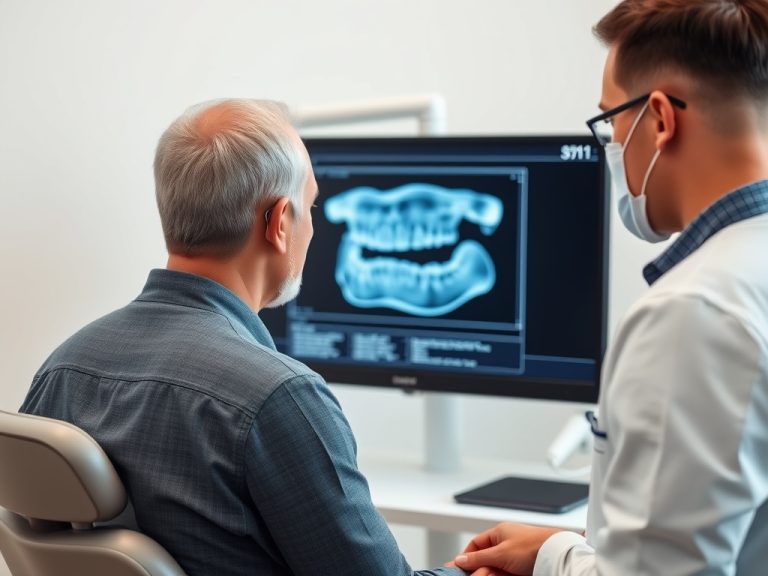
Custom sleep appliances are made from impressions or scans of your teeth and adjusted by a trained dentist, often in coordination with a sleep physician. They are generally used for snoring and for selected cases of obstructive sleep apnea based on medical evaluation.
Because the fit is individualized, the device can usually be titrated more precisely. That matters for comfort, effectiveness, and long-term wear.
Comparing Options for Snoring Mouthguards vs Custom Sleep Appliances Before Treatment
Who each option may suit
A store-bought device may suit you if:
you are exploring whether jaw-forward positioning changes your snoring at all
you do not have obvious signs of sleep apnea
your teeth, gums, and jaw joints are in good enough shape to tolerate a trial
you understand that a cheap first step is not the same as diagnosis or long-term treatment
A custom appliance may suit you if:
you have been evaluated for snoring or sleep apnea
you have had trouble wearing bulky generic devices
your bite is complex, with crowns, bridges, implants, or missing teeth
you want adjustments and follow-up rather than guessing
you wake with jaw soreness, tooth pressure, or appliance fit issues
If you are already working through other oral-health variables, such as active gum inflammation, it is smart to stabilize those first. Our article on bleeding gums myths explains why untreated inflammation should not be ignored simply because it seems minor.
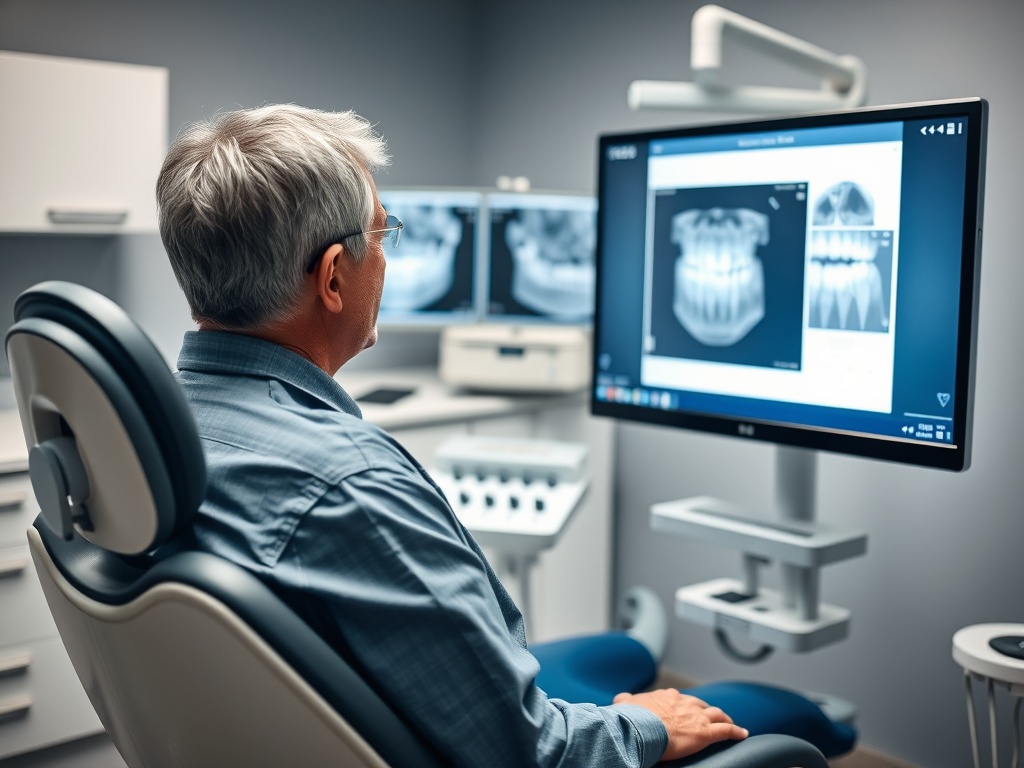
For a wider look at sleep-related oral issues, Sleep Apnea Oral Appliances: Who They Help and How They Compare to CPAP, How Dental Problems Can Affect Sleep, Mood, and Daily Function, and Why Oral Health Matters for More Than Just Your Teeth help place snoring devices inside the bigger picture of breathing, oral health, and day-to-day function.
Cost, comfort, and upkeep
Cost
Store-bought devices usually win on sticker price. Custom appliances usually cost more because the expense includes professional examination, records, fabrication, fittings, and adjustments. The more useful question is not just “What costs less today?” but “What is most likely to be wearable and appropriate for my situation?”
Comfort for Snoring Mouthguards vs Custom Sleep Appliances: What’s the Difference
A poorly fitting over-the-counter device can feel bulky, create pressure points, or worsen jaw soreness. A custom device is not automatically effortless, but it can usually be adjusted more precisely.
Upkeep for Snoring Mouthguards vs Custom Sleep Appliances: What’s the Difference
Both options need cleaning and safe storage. Custom devices usually come with more structured follow-up because long-term wear can affect bite position, jaw comfort, and dental stability.
What dentists and sleep clinicians are trying to sort out
Before recommending a custom appliance, clinicians often want to know:
Is this simple snoring or possible obstructive sleep apnea?
Are there witnessed breathing pauses, choking, or gasping?
Is there daytime sleepiness or morning headache?
Is the bite stable enough for an appliance?
Are there TMJ symptoms, gum issues, or loose teeth?
Is the patient likely to wear and maintain the device?
That supervised decision-making is a large part of what you are paying for.
A practical decision framework before a consultation
Lean toward a basic trial only if:
symptoms are limited to uncomplicated snoring
you do not have strong medical red flags
you accept that this is a temporary experiment, not a diagnosis
Lean toward formal evaluation and a custom device if:
a bed partner notices breathing pauses
you wake unrefreshed despite enough time in bed
you have high blood pressure, obesity, or other sleep-apnea risk factors
generic devices feel painful, loose, or impossible to tolerate
you have extensive dental work and want a safer fit
Clinical Checks for Snoring Mouthguards vs Custom Sleep Appliances
Book a routine dental or sleep-related consultation if snoring is persistent and you want help deciding whether a professionally made appliance is worth it.
Seek more urgent medical evaluation if snoring comes with:
choking or gasping during sleep
witnessed pauses in breathing
severe daytime sleepiness
morning headaches that are becoming frequent
falling asleep while driving or in unsafe situations
These symptoms raise concern that the issue may be more than simple snoring.
Questions About Snoring Mouthguards vs Custom Sleep Appliances
Before leaving the discussion of Snoring Mouthguards vs Custom Sleep Appliances: What’s the Difference, confirm the first step, expected follow-up, and warning signs that justify earlier contact when the diagnosis is confirmed.
Choosing the right next conversation
If you are deciding between a cheap anti-snoring device and a custom appliance, start by identifying the real question: are you trying to test a nuisance symptom, or are you trying to manage a possible sleep-breathing disorder?
For evidence-based background, AASM Sleep Education: Oral Appliance Therapy explains when oral appliance therapy is used and AADSM Patient Information on Oral Appliance Therapy offers a patient resource for understanding how professionally made appliances differ from quick retail fixes.
Home Care and Follow-Up for Snoring Mouthguards vs Custom Sleep Appliances
For Snoring Mouthguards vs Custom Sleep Appliances, review safe cleaning tools, foods, products, and daily techniques before treatment is scheduled and confirm which changes are expected and which should prompt an earlier call during the initial review before the next decision is recorded.