Whitening With Sensitive Teeth: How to Lower the Risk of Pain
Yes, people with sensitive teeth can sometimes whiten safely, but the approach usually needs to be slower and more selective. The key is to figure out whether the sensitivity is mild and manageable or whether it points to a dental problem that should be treated before any bleaching product is used.
Sensitivity snapshot
Whitening can trigger temporary sensitivity, especially if you already react to cold, sweets, or brushing.
Mild sensitivity may be managed with product choice, lower frequency, shorter wear time, and desensitizing strategies.
Active cavities, cracked teeth, leaking fillings, exposed roots, or gum recession may need treatment first.
Book a routine dental visit before whitening if you already have sensitive teeth. Seek prompt care sooner for swelling, spontaneous pain, or pain that lingers and intensifies.
Why whitening hurts some teeth more than others
Whitening gels usually use peroxide-based ingredients that pass through enamel and affect the pigments that make teeth look darker. That process can also irritate the tooth temporarily, especially if the tooth already has exposed dentin, worn enamel, recession, or a crack.
So the question is not just “Is whitening safe?” It is also “Why are my teeth sensitive in the first place?”
What your symptoms may point to
Sensitive teeth are not one single condition. Common possibilities include:
gum recession exposing root surfaces
enamel wear from grinding or aggressive brushing
early decay or a leaking filling
tiny cracks
recent dental work
naturally more reactive teeth
Symptoms that may fit ordinary sensitivity
quick zing with cold air or cold drinks
brief discomfort during brushing
tenderness that fades quickly after the trigger stops
Symptoms that deserve evaluation before whitening
pain that lingers
pain that wakes you up
one tooth that hurts much more than the others
visible chipping, darkening, or a rough edge
swollen gums or facial swelling
When symptoms look like a true tooth problem rather than generalized sensitivity, whitening can make the situation harder to sort out.
Short-term ways to lower the risk of pain
These steps do not fix every cause, but they often reduce the chance of a bad experience.
- Start with a dental check, especially if sensitivity is already established
A dentist can look for cavities, recession, cracks, worn enamel, gum disease, and restorations that will not whiten like natural teeth. That screening matters because whitening products do not solve these issues and may irritate them.
- Use a slower whitening approach
For sensitive teeth, a slower plan often works better than the strongest option available. Depending on your case, that may mean:
lower-concentration peroxide
shorter tray wear time
fewer treatment days in a row
spacing sessions farther apart
- Use desensitizing toothpaste consistently
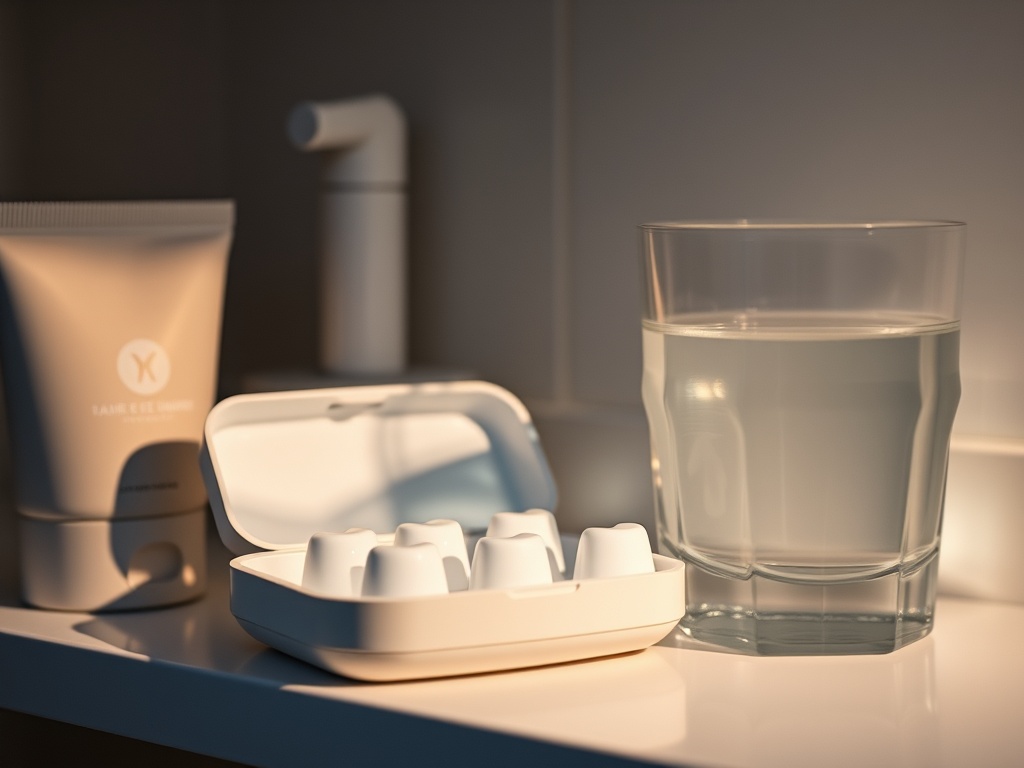
A dentist may suggest a toothpaste for sensitivity before and during whitening. Some patients are told to brush with it for a period before treatment or place a small amount in trays briefly if custom trays are being used.
- Pause instead of pushing through
A little temporary zing can happen. Severe or escalating pain is a sign to stop and reassess, not to finish the box because you already opened it.
If you are weighing whitening as one step in a cosmetic plan, Veneers vs Bonding: Which Cosmetic Fix Makes Sense for Your Smile?, Porcelain Veneers vs Composite Veneers: What Really Changes, and What a Smile Makeover Consultation Should Cover Before You Commit explain how whitening compares with other smile changes and why consultation details matter.
What usually needs definitive treatment first
Temporary tricks are only part of the picture. A dentist may recommend treating the underlying issue before whitening if you have:
untreated cavities
fractured teeth
exposed roots from recession
inflamed gums
defective fillings
significant enamel wear
In-office vs at-home whitening for sensitive teeth
A lot of patients assume “professional” automatically means “painless.” The better way to think about it is that professional guidance can make the plan more appropriate. Some people with sensitive teeth do best with slower supervised at-home whitening, not necessarily the fastest in-office option.
Common planning mistakes
Choosing the strongest product first
More strength is not always more practical, especially when you are already reactive to cold or sweets.
Whitening during active irritation
If your gums are inflamed or your mouth already feels sore, starting bleaching may make everything feel worse.
Expecting fillings and crowns to lighten too
Whitening affects natural teeth, not most existing restorations. That can create color mismatch if you whiten without planning around prior dental work.
Chasing ultra-white results
Overdoing whitening raises the chance of sensitivity and may not deliver a natural-looking outcome. A good endpoint is often “brighter and even,” not “the lightest possible shade.”
This same kind of realistic planning matters in other areas of care too. Patients often benefit from understanding what dental credentials and certifications mean before choosing who will supervise cosmetic treatment.
Warning Signs for Whitening Sensitive Teeth
A routine appointment makes sense if:
you already know your teeth are sensitive
you have gum recession
you have crowns, veneers, or fillings in the front
past whitening attempts caused pain
you want help matching shade goals to budget and timing
Reliable Guidance for Whitening Sensitive Teeth
For Whitening Sensitive Teeth, this part of Reliable Guidance for Whitening Sensitive Teeth focuses on current guidance that explains benefits, limits, alternatives, and warning signs while recovery expectations are clarified, with the same details verified after the examination is explained. The clinician should also explain how general information differs from advice based on the actual examination for Whitening Sensitive Teeth after the examination is explained, using the examination and health history rather than a general assumption. Recording that explanation gives the patient a clearer next step for Whitening Sensitive Teeth while recovery expectations are clarified, especially when follow-up duties are reviewed after the examination is explained.
Prompt dental care is more important if:
one tooth hurts much more than the others
pain lingers after hot or cold
you have swelling, a bad taste, or facial tenderness
the tooth looks cracked or darkened
the sensitivity is getting worse even without whitening
Those signs suggest a problem that should be diagnosed before cosmetic treatment is considered.
A simple lower-risk whitening plan
Start with the gentlest evidence-based option your dentist recommends.
Use sensitivity toothpaste consistently.
Space treatments out instead of stacking them.
Stop if pain becomes sharp, lingering, or localized.
Reassess the cause before continuing.
People comparing cosmetic treatment options may also want to think about how habits affect long-term outcomes. For example, the healing and success issues covered in smoking and dental implants show why the mouth often responds better to treatment when underlying risks are addressed first.
Safer ways to brighten without extra pain
If your teeth are already sensitive, plan whitening like a dental decision, not a beauty impulse buy. A routine exam can identify whether you need reassurance, a slower protocol, or treatment first. That usually gives you the best chance of brighter teeth without avoidable pain.
For patient guidance before whitening, ADA Oral Health Topic: Whitening and ADA MouthHealthy: Teeth Whitening both explain what whitening can and cannot do, which is especially useful when sensitivity is already part of the conversation.