How Smoking Affects Dental Implant Success
Smoking can lower the odds of smooth implant healing and long-term stability. It does not mean implants always fail in smokers, but it does mean the tissues around the implant may heal less predictably, become inflamed more easily, and respond less favorably to treatment if problems develop.
Implant risk snapshot
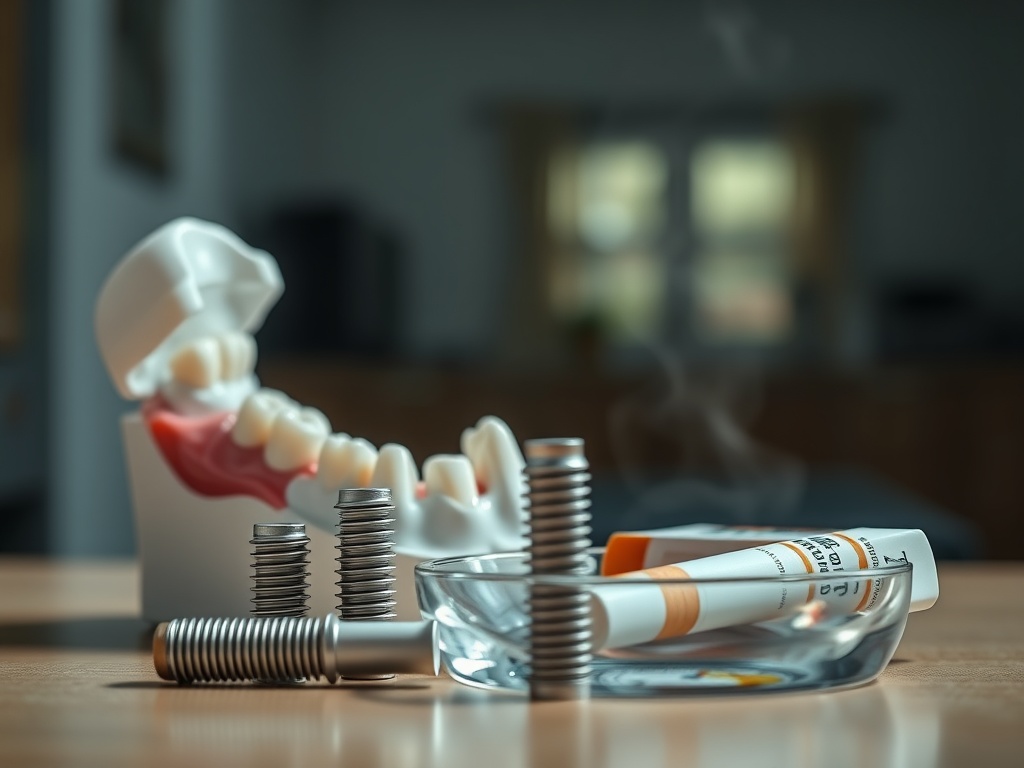
Smoking can affect blood flow, immune response, gum health, and bone healing around implants.
The risk is not only during surgery. It also affects maintenance and long-term survival.
Some smokers are still candidates for implants, but the treatment plan often needs more risk discussion and stricter follow-up.
Book a routine implant consultation if you smoke and are considering implants. Seek prompt dental care if an existing implant feels loose, painful, swollen, or starts draining.
Why smoking matters before, during, and after implant treatment
An implant depends on healthy healing between the implant surface and the surrounding bone, along with stable gum tissue that seals and protects the area. Smoking can interfere with several parts of that process:
reduced blood flow
slower tissue healing
increased inflammation
a harder time controlling infection
greater risk of gum disease and bone loss
That means the question is not just “Can a smoker get implants?” It is “How much added risk is acceptable, and what can be done to reduce it?”
What the risks usually point to
Smoking is associated with problems that matter directly to implant outcomes, such as:
delayed healing after extraction or implant placement
higher likelihood of gum inflammation
more challenging maintenance
greater risk that bone and soft tissue support decline over time
The mouth does not divide risk neatly. If smoking has already contributed to gum disease, dry mouth, or delayed healing elsewhere, those issues can carry into implant care too.
Short-term concerns around surgery and early healing
Early healing is a vulnerable period because the site is trying to stabilize. Smoking during this phase may increase the chance that tissues stay irritated, clotting and blood supply are less favorable, and the area does not settle as cleanly as it would in a non-smoker.
A dentist or surgeon may talk with you about:
timing smoking reduction or cessation before treatment
whether bone grafting changes the risk conversation
whether immediate placement is wise
whether a staged plan is safer
what symptoms should trigger a follow-up call
Long-term maintenance and failure risk
The implant does not become “immune” once it integrates. Long after treatment, smoking can still contribute to:
inflammation around the implant
deeper pockets and bleeding
bone loss
less predictable response to maintenance therapy
That is why many implant conversations are really about long-term habits, not only surgical skill. A technically good implant placed into a high-risk environment may still struggle over time.
Because implant planning is rarely only about the implant, Implant-Supported Dentures vs Traditional Dentures: Which Feels Better Day to Day?, Questions to Ask at a Dental Implant Consultation, and How Dentists Diagnose and Stage Gum Disease help connect smoking risk with gum status, prosthetic choices, and consultation prep.
Temporary steps versus definitive risk reduction
Temporary or supportive steps
These may help, but they do not erase the smoking-related risk:
meticulous oral hygiene
more frequent maintenance visits
careful planning around extraction and grafting
close follow-up during healing
avoiding additional irritation at the surgical site
More definitive risk reduction
The strongest step is reducing or stopping smoking, ideally before treatment and continuing through healing and maintenance. A dentist may also coordinate with your physician or recommend tobacco-cessation resources.
Who may still be a candidate
Being a smoker does not automatically rule you out. Candidacy often depends on:
gum health
bone support
diabetes control if relevant
how much and how often you smoke
willingness to modify habits
the condition of nearby teeth and tissues
whether alternative tooth-replacement options fit better
For some people, implant treatment can still be reasonable. For others, the conversation may shift toward delay, site preparation, or a different replacement strategy.
Warning signs that deserve quicker attention
Questions About Smoking Affects Dental Implant Success
For Smoking Affects Dental Implant Success, this part of Questions About Smoking Affects Dental Implant Success focuses on the symptom history, previous treatment, current medicines, and the result the patient values most when the diagnosis is confirmed, with the same details verified after the examination is explained.
Comparing Options for Smoking Affects Dental Implant Success
For Smoking Affects Dental Implant Success, this part of Comparing Options for Smoking Affects Dental Implant Success focuses on benefit, limitations, durability, maintenance, timing, and total cost as the long-term result is reviewed, with the same details verified after the examination is explained.
If you already have an implant, call your dentist promptly if you notice:
bleeding around the implant
swelling or tenderness
bad taste or drainage
a feeling that the implant or crown is moving
increasing gum recession around the area
Those symptoms do not prove failure, but they should not be ignored.
Why this issue overlaps with other oral-health problems
Smoking affects the mouth broadly, not just implants. It can worsen gum disease and complicate healing after extraction or surgery. That makes preventive care especially important. For example, untreated inflammation discussed in our article on myths about bleeding gums matters even more when implant treatment is part of the future plan.
A practical decision framework before treatment
Ask these questions at your consultation:
How does my smoking pattern change the risk in my specific case?
Would you change the timeline or staging because I smoke?
What does success look like in the first year and beyond?
How often would maintenance visits be needed?
If I cut down or quit, when does that help the most?
This kind of conversation is often more useful than asking for a simple percentage. Real implant planning is individualized.
Routine visit versus urgent follow-up
A routine consultation is appropriate if you smoke and are exploring implants, even if you have no symptoms yet. It is better to understand the risk picture early than after a failed extraction site or implant complication.
Prompt evaluation is more important if an implant site looks inflamed or feels unstable. Seek urgent care sooner for facial swelling, fever, or pain that is escalating quickly after surgery.
Patients comparing cosmetic and restorative options may also find it helpful to understand how sensitivity and tissue response affect other treatments, such as whitening with sensitive teeth. The broader lesson is that oral tissues respond best when underlying inflammation and habit-related risks are managed first.
Protecting implant outcomes over time
If you smoke and want dental implants, do not assume the answer is automatically yes or no. Schedule a consultation focused on your healing risk, gum health, and maintenance plan. A clear discussion now can help you decide whether to move forward, delay, or change course.
For primary-source context, CDC: Smoking, Gum Disease, and Tooth Loss summarizes the gum-disease and tooth-loss risk tied to smoking, while NIDCR: Tobacco and Oral Health explains the broader oral-health effects of tobacco use.