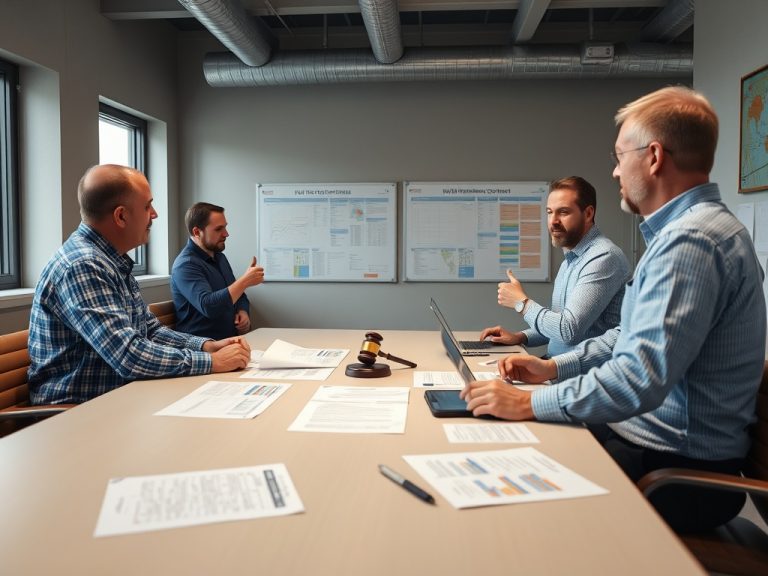
Battery storage and backup power can improve facility resilience when they are designed around critical loads, outage duration, safety requirements, controls, maintenance, and utility coordination. The right solution may be a generator, UPS, battery energy storage system, solar-plus-storage, microgrid, or a combination, depending on the facility's risk profile.
Resilience Power Snapshot
- Start by defining which loads must keep operating, for how long, and under what outage scenarios.
- Battery systems can respond quickly and support clean backup strategies, but they do not remove the need for safety, permitting, maintenance, and emergency planning.
- Generators, UPS systems, batteries, and microgrids solve different problems; they should not be compared on equipment cost alone.
- Resilient power planning should include testing, fuel or charge strategy, transfer equipment, cybersecurity, documentation, and staff training.
Define resilience before choosing equipment
A resilient facility does not power everything during an outage. It powers the right things. Critical loads may include life-safety systems, communications, refrigeration, medical equipment, access control, IT infrastructure, pumps, heating or cooling for critical spaces, lighting, or process equipment. The first planning step is to define load priority and outage duration.
Ask these questions before choosing technology:
- What functions must remain available for life safety, security, operations, or business continuity?
- How long must those functions operate without normal utility power?
- Which loads can be shed, delayed, or manually managed?
- What startup currents, power quality needs, and control sequences matter?
- What maintenance staff, vendors, and emergency responders need to know?
NREL's battery storage resilience work explains that institutions are considering battery storage because traditional backup power may not be sufficient during some longer-duration or larger-scale disruptions. That does not mean batteries are always the answer, but it supports evaluating storage as part of a broader resilience strategy through battery storage for resilience research.
Compare backup power options by function
| Option | Best suited for | Key planning concerns |
|---|---|---|
| UPS | Short-duration ride-through and power quality for sensitive equipment | Runtime, battery health, bypass, cooling, replacement cycle |
| Standby generator | Longer backup for defined loads where fuel and maintenance are manageable | Fuel supply, emissions, testing, transfer switches, noise, maintenance |
| Battery energy storage system | Fast response, peak management, renewable integration, selected backup use | Fire safety, controls, duration, permitting, thermal management |
| Solar-plus-storage | Daytime generation with stored energy for selected loads | Site capacity, islanding controls, weather variability, interconnection |
| Microgrid | Coordinated power from multiple distributed resources | Controls, protection, cybersecurity, ownership, commissioning |
Energy storage can also be evaluated for grid flexibility and energy management, but resilient facility planning should still begin with the critical loads, duration, and operating sequence rather than with a preferred technology.
Safety and code review must happen early
Battery energy storage systems require careful safety planning. Fire protection, thermal runaway risk, spacing, ventilation, emergency response access, signage, and system controls may all be reviewed by designers, fire officials, insurers, and the authority having jurisdiction. NFPA 855 addresses installation requirements for stationary energy storage systems, and project teams should consult the adopted edition and local code path through NFPA 855 energy storage system information.
Do not treat code review as an afterthought. Late fire protection comments or utility interconnection issues can change layout, cost, equipment selection, or schedule. Bring qualified engineers, manufacturers, fire protection professionals, facility staff, and local authorities into the discussion early.
This is also a project controls issue. Teams tracking construction budget KPIs should separate energy storage risks such as permitting, equipment lead time, utility coordination, commissioning, and emergency responder requirements. One generic contingency line may not be enough to manage the details.
Plan for operations, not just installation
Backup power assets need maintenance. Batteries need monitoring, environmental control, software or firmware attention where applicable, inspection, and periodic testing. Generators need fuel quality management, load testing, exhaust and ventilation review, transfer equipment maintenance, and records. UPS systems need battery health checks, bypass procedures, and replacement planning.
If a facility uses recurring service partners, the contract should define what is inspected, how test results are documented, who responds to alarms, and what requires owner approval. The ideas behind maintenance contracts that create recurring revenue apply here because resilience equipment is not a set-and-forget purchase.
CISA's resilient power best practices materials address backup generation, transfer systems, energy storage, microgrids, operations, and maintenance for critical facilities. That reinforces the need to think about the full power chain, not just the visible equipment through resilient power best practices.
Integrate controls and cybersecurity
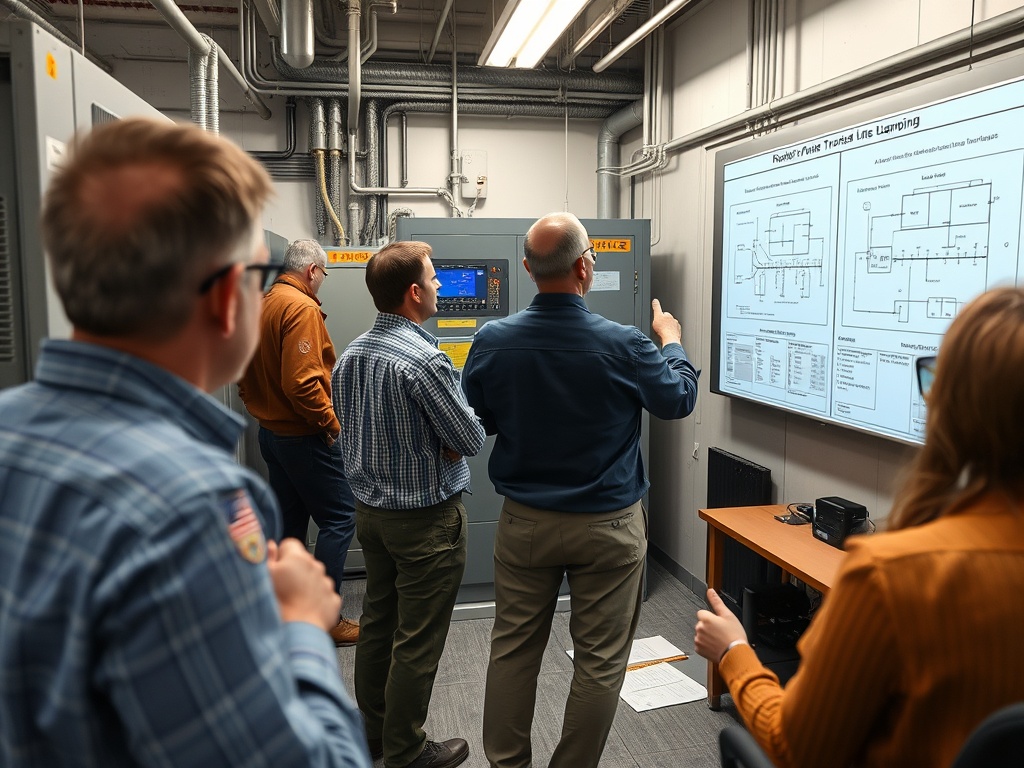
Modern backup power systems may connect to building automation, energy management software, utility programs, remote monitoring, and vendor platforms. That creates operational benefits, but also increases the need for access control, network coordination, and asset inventory. A battery system that cannot communicate during an outage, or that sends alarms to the wrong team, can undermine the resilience plan.
Use the same discipline recommended for project and maintenance dashboards: assign data owners, define alarm response, control who can change settings, and maintain an accurate asset list. Controls should be commissioned under realistic scenarios, including transfer events, load shedding, and restart sequences.
Avoid common resilience planning mistakes
The first mistake is sizing backup power from total building load instead of critical load. The second is forgetting outage duration. A battery sized for a short operational bridge is different from a system expected to support long-duration resilience. The third is ignoring maintenance, testing, and staff training. The fourth is choosing equipment before confirming code, utility, structural, ventilation, and fire protection constraints.
Another mistake is failing to define what success looks like. A system may be intended to protect life safety, maintain business continuity, reduce peak demand, support renewable energy, or keep a critical process online. Each goal changes design and maintenance decisions.
Resilient Power Planning Checklist
- Define critical loads and acceptable outage duration.
- Map power paths, transfer equipment, controls, and dependencies.
- Compare UPS, generator, battery, solar-plus-storage, and microgrid options by function.
- Review code, fire protection, utility, and insurer requirements early.
- Plan maintenance, testing, alarms, and emergency response procedures.
- Train facility staff on operating limits and escalation paths.
- Update dashboards, asset records, and service contracts after commissioning.
Design Backup Power Around the Load, Not the Battery
Resilient power planning starts with the facility mission, critical loads, and outage scenarios. Battery storage can be valuable, especially as part of a coordinated system, but it should be selected only after safety, code, duration, controls, and maintenance requirements are clear. The next step is a critical-load review that separates essential functions from nice-to-have loads before equipment is sized.