Key takeaway box: Buying your first original artwork should be slow, documented, and budget-aware. Confirm the artist, medium, condition, price basis, paperwork, framing needs, and return terms before you pay.
Original art can be deeply personal, but the purchase still deserves practical due diligence. A beginner checklist protects both the buyer and the work, especially when buying from a gallery, studio visit, fair, online platform, or auction.
Decide What “Original” Means in This Purchase
Original artwork can mean a unique painting, drawing, sculpture, textile, photograph, ceramic object, or mixed-media work. It can also describe limited-edition prints, artist proofs, or works made in multiples. These categories are not the same. A unique work, an editioned print, and an open-edition reproduction carry different expectations around price, scarcity, and documentation.
Ask for plain-language details: artist name, title, year, medium, dimensions, edition size if relevant, signature or markings, and whether framing is included. If a seller cannot describe the work clearly, slow down.
Provenance is one of the most important words to understand. The Getty Museum defines provenance as the history of an artwork, including origin, ownership, sale timelines, and previous locations, in its provenance research overview. For a first purchase, you may not need museum-level research, but you should still ask how the seller obtained the work and what documentation will transfer to you.
If you are still building context before buying, exploring an art movement without getting overwhelmed can help you form taste before money enters the decision.
Set a Purchase Budget That Includes Aftercare
Do not spend the whole budget on the artwork alone. Add taxes, shipping, installation, framing, glazing, hanging hardware, insurance, and future conservation needs. Works on paper may need archival matting and UV-filtering glazing. Canvases may need safe transport and hanging hardware. Sculptures may need secure placement.
A beginner budget should have three numbers: ideal price, maximum price, and total ownership cost. Total ownership cost is the most honest number. A $500 drawing can become a $900 project after framing and shipping. That may still be worthwhile, but it should not be a surprise.
| Buying route | Strength | Question to ask |
|---|---|---|
| Artist studio | Direct relationship and story | What paperwork and payment terms are provided? |
| Gallery | Curated context and professional handling | Is framing, delivery, or installation included? |
| Art fair | Many works in one place | Can you pause before making a decision? |
| Online platform | Broad access and search filters | What are return, damage, and authenticity policies? |
| Auction | Price transparency through bidding | What buyer’s premium and condition terms apply? |
Inspect Condition Before Emotion Takes Over
Look closely at the surface, edges, corners, frame, backing, hanging hardware, and any glass or acrylic. For works on paper, watch for discoloration, tears, ripples, stains, fading, foxing, tape residue, or mat burn. For paintings, look for cracking, lifting paint, dents, tears, or unstable stretchers. For objects, check chips, repairs, wobble, and material sensitivity.
Condition issues do not automatically make a work bad. They do affect price, care, and future risk. Ask whether condition is reflected in the price and whether the seller recommends a conservator, framer, or installer. The Smithsonian American Art Museum’s guidance on caring for your collections is a useful reminder that preservation starts once the work enters your home.
Avoid cleaning or repairing art yourself unless the seller or a trained conservator gives specific, safe guidance. Household cleaners, tape, direct sunlight, damp walls, and cheap frames can cause lasting damage.
Request Paperwork Before Payment
For a first original artwork, paperwork should not feel awkward. It is part of the purchase. Ask for an invoice or receipt with the seller’s name, buyer’s name if appropriate, artwork details, price, date, payment method, and any taxes or fees. Ask for a certificate of authenticity only when it is meaningful and tied to the artist, gallery, estate, publisher, or authorized representative.
For editioned prints, confirm the edition number, total edition size, artist proof status, printer or publisher if relevant, and whether the work is signed. For photographs, ask about edition, print date, paper type if available, and framing recommendations.
If the value is significant, consider an independent appraisal. The Smithsonian’s “How Much Is Your Object Worth?” page advises finding an appraiser with expertise in the relevant type of artwork and notes that appraisers provide written statements of value for a fee through its object value guidance.
Plan Where the Work Will Live
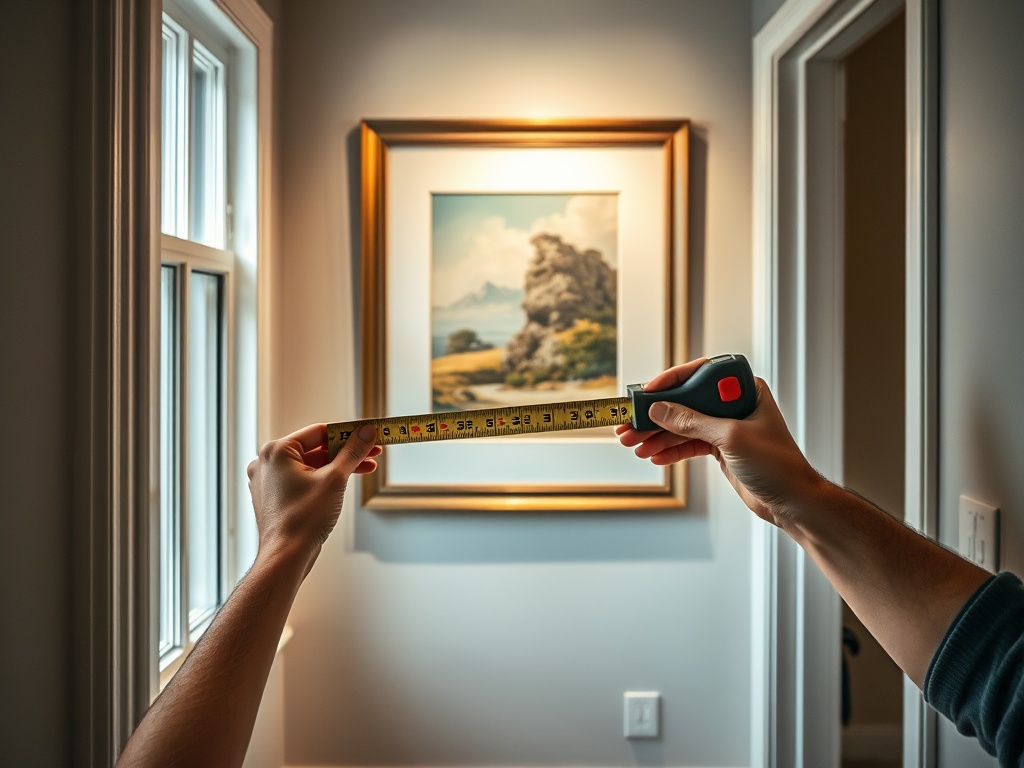
Before you buy, imagine the work in a specific place. Measure the wall, check light exposure, humidity, traffic, pets, children, cooking residue, fireplaces, vents, and bathrooms. Many artworks do poorly in direct sunlight, damp rooms, or spaces with rapid temperature swings.
Think about viewing height. Most wall works feel best when the visual center is near eye level, but furniture and room use matter. Heavy works need proper anchors. Fragile works need safe clearance. If you rent, choose methods that protect both the wall and the artwork.
This is where art buying overlaps with collecting care. The checklist for storing posters, vinyl, toys, and paper goods safely covers the same core principle: materials last longer when light, moisture, pressure, and handling are controlled.
Avoid Pressure Signals
Be cautious when a seller pushes urgency without clear reason. “Another buyer is interested” may be true, but it is not a reason to skip questions. Also be careful with vague claims such as “investment grade,” “guaranteed appreciation,” or “museum quality” without evidence. Art can gain value, lose value, or remain personally meaningful without becoming financially profitable.
For online purchases, keep messages, invoices, listing screenshots, shipping records, and condition photos. If a work arrives damaged, photograph packaging before opening further and contact the seller promptly. Use payment methods with documentation and buyer protection when available.
First-Art Purchase Checklist
Before paying, confirm the artist, title, date, medium, dimensions, edition, condition, provenance, invoice, authenticity documentation, shipping method, return terms, framing needs, installation plan, and total ownership cost. After the work arrives, photograph it, store paperwork digitally and physically, and record where it is displayed.
Your next step is to choose one artwork you like and practice the checklist before buying. If the seller answers clearly and the total cost still feels comfortable, you are closer to a confident first purchase.