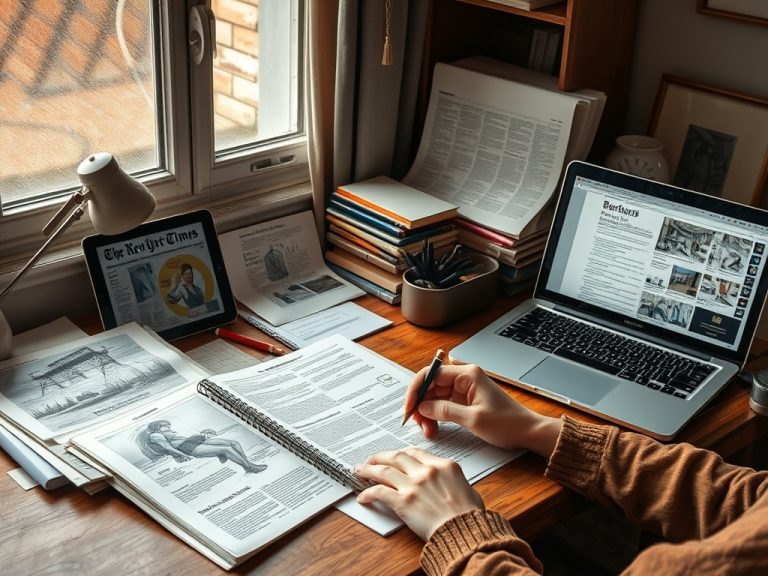
Key takeaway box: Safe storage starts with clean handling, stable temperature and humidity, low light, acid-free or inert materials, and enough space so collectibles are not bent, squeezed, or stacked under pressure.
Posters, vinyl records, toys, prints, comics, tickets, trading cards, and paper goods age in different ways, but the first checklist is similar: reduce light, moisture, heat, pressure, dust, pests, and careless handling. You do not need a museum vault to make better choices.
Sort by Material, Not Sentimental Value
Begin by grouping items by material. Paper items include posters, prints, programs, tickets, postcards, zines, comics, and autographs. Vinyl records combine grooved discs, paper sleeves, cardboard jackets, and sometimes plastic outer sleeves. Toys may include plastic, fabric, paint, metal, batteries, adhesives, decals, and packaging.
Material matters because each item reacts differently to storage. Paper can yellow, tear, crease, and absorb moisture. Vinyl can warp, scratch, and collect dust. Plastic toys can discolor, become sticky, crack, or react with other plastics. Packaging can fade or crush.
The Library of Congress provides collections care resources for handling, storing, and managing books, works on paper, photographs, audiovisual materials, and other formats through its collections care page. Use institutional guidance as a baseline, then adapt to your home.
If you are buying original or collectible works, connect this storage habit to the checklist for buying your first original artwork, where documentation and aftercare are part of the purchase.
Choose Storage Materials Carefully
Use archival-quality, acid-free, lignin-free, or inert materials where appropriate. For paper, folders, boxes, mats, and sleeves should not introduce acids, dyes, or adhesives that damage the item. For photographs and some prints, enclosure choice can be more specialized. For vinyl, inner sleeves should protect the playing surface without trapping grit or causing chemical reactions.
Avoid pressure-sensitive tape, rubber bands, paper clips, cheap PVC sleeves, damp cardboard, newspaper, and mystery plastics. They may seem harmless for short-term organization but can stain, stick, scratch, or off-gas over time.
| Item type | Better storage choice | Avoid |
|---|---|---|
| Posters and prints | Flat file, archival folder, or large rigid portfolio | Folding, rolling too tightly, tape |
| Vinyl records | Upright shelves, clean inner sleeves, outer jacket protection | Heat, leaning stacks, touching grooves |
| Paper ephemera | Acid-free folders and boxes | Rubber bands, paper clips, damp basements |
| Toys in packaging | Dust-free shelves with space around boxes | Direct sun, crushed stacking, hot attics |
| Signed items | Stable enclosure and handling plan | Frequent touching, display in strong light |
Control Light, Heat, and Humidity
Most collectibles prefer stability. Avoid attics, garages, damp basements, bathrooms, kitchens, and windowsills. These spaces often swing between heat, cold, humidity, and dryness. Direct sunlight can fade ink, paper, fabric, and plastic. Heat can warp records and soften adhesives.
For paper specifically, the Library of Congress offers guidance on care, handling, and storage of works on paper. The Canadian Conservation Institute also explains preventive care for paper objects in its paper objects guidance. The practical takeaway for home collectors is simple: stable, clean, cool, dry, and dark is usually safer than bright display.
If you display items, rotate them. Keep copies or lower-value items on display and store the originals safely when possible. Use UV-filtering glazing for framed paper works when appropriate, but remember that filtering reduces risk; it does not make direct sun safe.
Handle Items Like Future You Will Care
Wash and dry hands before handling most paper and vinyl. Use nitrile gloves for photographs, metals, or items where fingerprints are a concern, but do not use gloves if they make you clumsy with fragile paper. Support large posters with both hands or a board. Hold records by the edge and labeled center, not the grooves.
Create a clean handling area. Clear food, drinks, pens, candles, pets, and rough surfaces. Photograph items before moving them if condition matters. For valuable or fragile items, handle less rather than more.
Do Not Overpack Boxes or Shelves
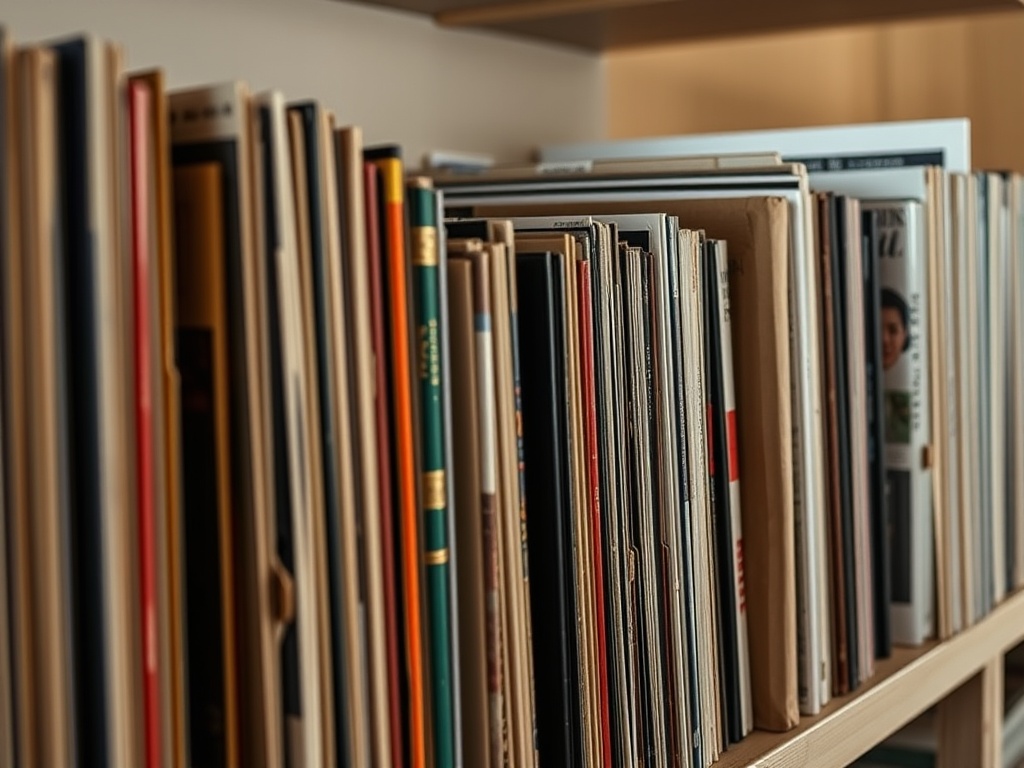
Damage often comes from pressure. Posters curl because tubes are too tight. Comic spines bend because boxes are overfilled. Record jackets warp because shelves lean. Toy packaging crushes because boxes are stacked too high.
Leave enough space to remove items without dragging. Store records upright with firm support so they do not lean sharply. Store paper flat when possible, especially larger prints and posters. If rolling is the only option, use a large-diameter tube and appropriate interleaving, then unroll carefully when needed.
Label boxes on the outside, but do not write directly on collectible packaging. Use an inventory sheet or digital catalog with photos, condition notes, purchase date, price, and storage location. This helps with insurance, resale, and family organization.
Watch for Pests, Mold, and Chemical Trouble
Pests like dark, undisturbed, dusty areas. Mold likes moisture and poor airflow. Chemical trouble can show up as sticky plastic, strong odors, discoloration, sleeve transfer, or unexpected staining. Inspect collections a few times a year.
If you find mold, isolate the item and avoid spreading spores. If an item is valuable, consult a conservator. Do not spray collectibles with household cleaners, fragrances, or pest chemicals. Those products can create worse damage than the original problem.
The Northeast Document Conservation Center offers preservation leaflets for paper, books, photographs, storage, handling, and conservation topics through its preservation resources, which can guide deeper research when a collection becomes more serious.
Decide What Deserves Premium Storage
Not every item needs the same level of protection. Divide the collection into three groups: high-value or irreplaceable, meaningful but replaceable, and casual. Spend first on the first group. A signed poster, rare pressing, original sketch, or childhood item may deserve archival storage before mass-produced extras do.
This is also the moment to consider space. A collection that cannot be stored safely may need editing. Selling, donating, or gifting lower-priority items can protect the pieces you value most.
Home Storage Checklist to Keep Nearby
Before storing, confirm the item is clean, dry, documented, and grouped by material. Choose safe enclosures, avoid direct light, keep conditions stable, support the item fully, prevent pressure, label the container, and schedule inspections. After storms, leaks, moves, or renovations, check the collection immediately.
Your next step is to pick one box, shelf, or tube and upgrade it today. Remove damaging materials, photograph the contents, and move the items away from heat, moisture, and direct sunlight.