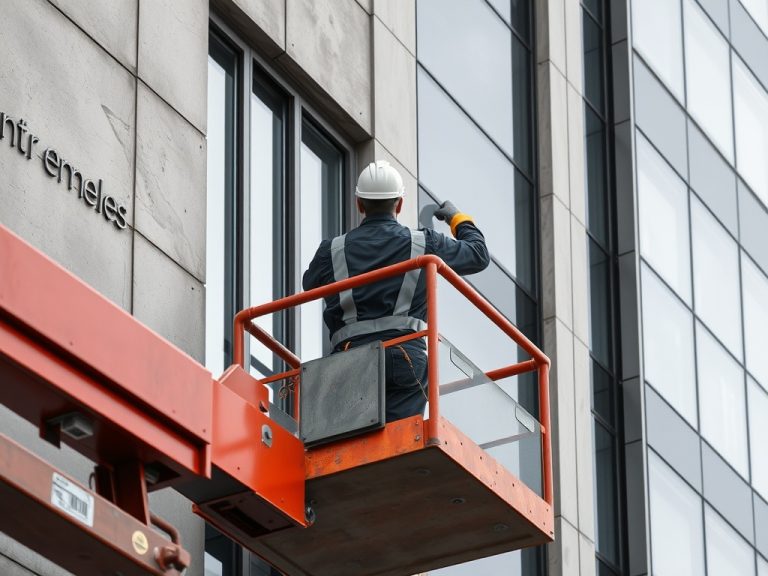
Operable walls, movable partitions, and specialty doors need planned inspection, cleaning, adjustment, and qualified service because they combine moving parts, tracks, seals, hardware, safety features, and sometimes acoustic or fire-rated performance. Good maintenance focuses on safe operation, alignment, documentation, and early repair before users force damaged components.
Specialty Door Care Snapshot
- Do not treat movable partitions and specialty doors like ordinary finishes. They are operating systems with tracks, panels, seals, rollers, guides, latches, sensors, and hardware.
- User training matters. Many failures begin when staff force a panel, skip a setup step, or store obstacles in the travel path.
- Maintenance should follow manufacturer instructions, local requirements, and relevant safety or fire-door standards where applicable.
- Records should show inspections, adjustments, user complaints, repairs, and who performed the work.
Identify the system before choosing the task
The first maintenance step is knowing what type of system you have. An operable wall in a hotel ballroom is not the same as a sliding clinic door, an automatic entrance, a folding partition in a school, or a fire-rated rolling assembly. Each has different risks and service expectations.
Document the product type, location, use frequency, manufacturer if known, installation date if available, track or frame type, panel weight, acoustic seals, fire or smoke rating if applicable, power operation, sensors, and hardware. Add photos and user instructions to the asset record. Include room names and event patterns too, because high-use meeting spaces often expose problems sooner than rarely used partitions. If the facility already has a maintenance plan from the ground up, these systems should be listed as maintainable assets instead of being hidden under general interiors.
Teach users how not to damage the system
Beginner-friendly maintenance starts with the people who operate the equipment. Many movable wall and door problems are caused by forcing panels, dragging components out of sequence, leaving tracks dirty, ignoring warning sounds, or using the system as storage support. A short user guide near the operations team can prevent unnecessary service calls.
Training should cover:
- How to open, close, stack, and lock panels in sequence.
- What resistance, scraping, uneven movement, or unusual noise means.
- Why tracks and floor guides must stay clear.
- Which staff are allowed to operate the system.
- When to stop using the system and call maintenance.
FIS guidance on servicing operable walls emphasizes regular servicing to support correct operation, ongoing safety, and warranty obligations, which is a useful industry reference for facilities with movable wall systems through operable wall servicing guidance.
Inspect moving parts, seals, and paths
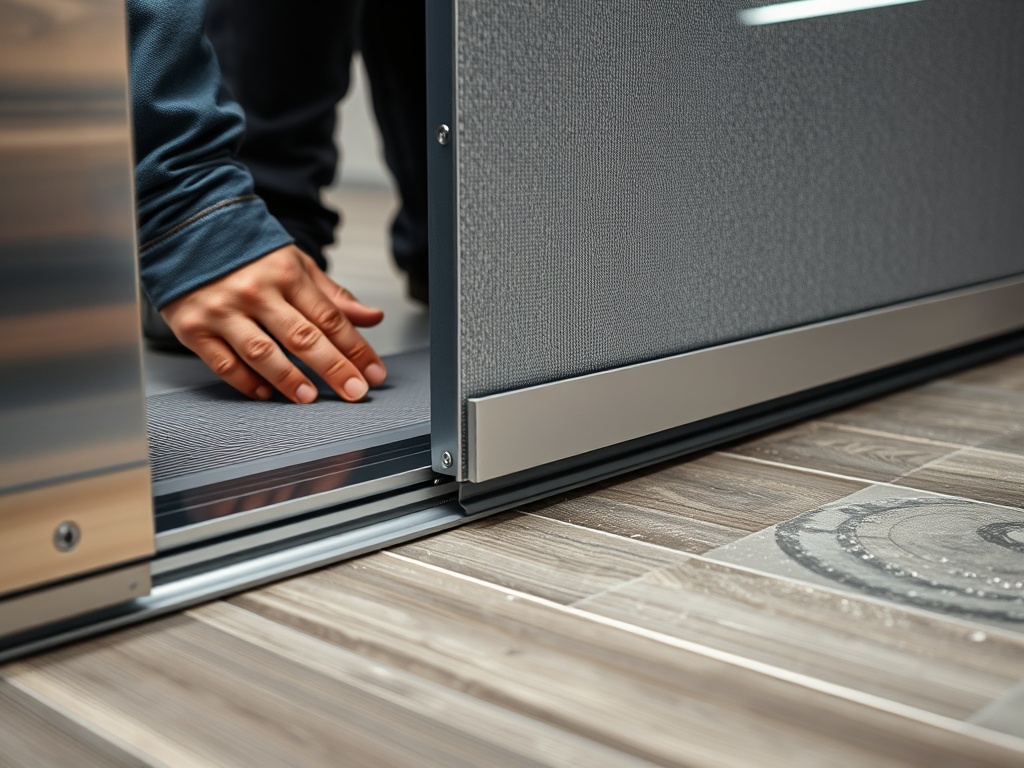
A basic inspection should check visible damage, smooth movement, alignment, track cleanliness, panel faces, vertical and horizontal seals, floor guides, hinges, rollers, carriers, latches, handles, locks, thresholds, sensors, and warning labels if present. Do not attempt major adjustment without training. Heavy panels and powered doors can create injury risk or further damage if handled incorrectly.
| System | What to inspect | When to escalate |
|---|---|---|
| Operable walls | Tracks, carriers, seals, panel alignment, stacking area, acoustic closure | Binding, dropped panels, damaged seals, uneven movement |
| Movable partitions | Hinges, guides, locks, panel faces, floor track or top track | Excessive force needed, loose hardware, damaged guides |
| Automatic doors | Sensors, activation zones, closing speed, clearances, safety decals, power operation | Failed sensor response, impact risk, erratic movement |
| Fire or smoke doors | Labels, closers, latches, gaps, hardware, obstructions, damage | Missing labels, holes, non-latching, field modifications |
| Specialty access doors | Hinges, locks, gaskets, access clearance, corrosion | Security failure, gasket failure, unsafe access condition |
Automatic door systems require special attention because occupant safety depends on sensors, closing forces, and correct operation. AAADM notes that certified inspectors are trained to conduct automatic door inspections against industry standards, and facility managers can use that as a benchmark for qualified service through automatic door safety information.
Keep cleaning simple and controlled
Cleaning should be gentle and system-appropriate. Remove debris from tracks and floor guides, wipe surfaces according to manufacturer instructions, and avoid soaking seals, sensors, rollers, or hardware. Do not lubricate components unless the manufacturer or qualified technician specifies the material and location. The wrong lubricant can attract dirt, degrade materials, or interfere with movement.
For buildings with backup power or emergency planning needs, specialty doors may also be part of the operating sequence during outages. A facility reviewing battery storage and backup power for resilient facilities should confirm which powered doors, access controls, and life-safety openings need power, manual override, or inspection after an outage.
Document problems before the repair visit
Good notes help service technicians diagnose faster. Record the exact location, type of system, symptom, when it happens, who observed it, whether the issue is constant or intermittent, photos or video if allowed, and whether the system was taken out of service. Avoid vague notes like "door broken" or "wall stuck." A better note says "north partition panel binds at second carrier during closing; scraping sound began after evening event setup."
This is also where training technicians to capture better failure codes and notes can improve facility records. Failure categories for alignment, hardware, user damage, obstruction, sensor fault, seal failure, or power issue make repeat problems visible.
Fire-rated and life-safety openings need extra care
Some specialty doors are part of the fire or smoke protection strategy. These should not be modified, wedged open, drilled, painted over labels, or repaired with unlisted parts without qualified review. NFPA's fire door resources remind building owners that fire doors need proper inspection, testing, and maintenance within the requirements adopted by the authority having jurisdiction through fire door inspection and maintenance guidance.
The Door and Hardware Institute also offers technical literature around door safety, hardware, and fire-door inspection, which can help facility teams understand when a qualified door professional is needed.
Maintenance Rhythm for Movable Systems
- After heavy use: check for visible damage, debris, and user complaints.
- Monthly or routine cycle: inspect tracks, hardware, seals, and movement symptoms.
- Seasonally: review alignment, acoustic performance complaints, and access paths.
- Annually or as required: schedule qualified service for complex, powered, automatic, or rated assemblies.
- After impact, outage, renovation, or unusual event: inspect before returning to regular use.
Keep Moving Parts Safe, Quiet, and Documented
Movable walls and specialty doors last longer when people operate them correctly, maintenance staff catch symptoms early, and qualified technicians handle adjustments. Start by identifying each system, then build a simple inspection and service routine around safety, alignment, seals, and documentation.