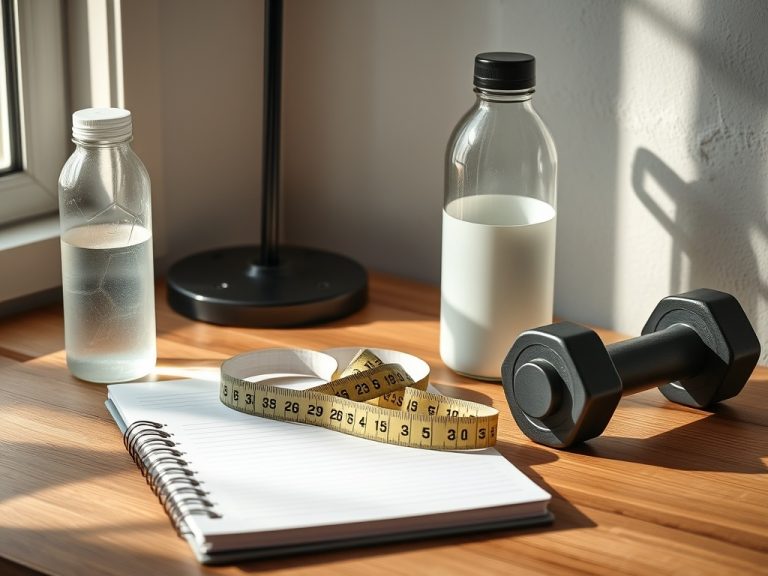
Healthy snacks can support fitness goals when they solve a real need: steady energy, recovery, protein distribution, or hunger management. The best strategy is to plan snacks around training timing and total daily nutrition, not to label single foods as perfect or forbidden.
Snack Planning Takeaways
- A useful snack has a purpose: fuel, recovery, fullness, or convenience.
- Protein, fiber, and minimally processed carbohydrates often make snacks more satisfying.
- Pre-workout and post-workout snacks do not need to be complicated.
- The full day of eating matters more than one isolated snack choice.
What Makes a Snack Fitness-Supportive
A fitness-supportive snack is not defined by a marketing claim. It helps you train, recover, or maintain a steady eating pattern. For some people that means yogurt and fruit before an evening workout. For others it means a turkey wrap, roasted chickpeas, cottage cheese, eggs, or a peanut-butter banana after a long morning.
The Dietary Guidelines for Americans emphasize overall eating patterns rather than single magic foods. In practice, snacks become more useful when they add nutrients that meals are missing, such as protein, fruit, vegetables, whole grains, or calcium-rich options.
Snack choices also depend on your training mix. A person doing home strength sessions may need a different approach than someone using long cardio days or frequent intervals.
Match the Snack to the Timing Window
Before training, choose foods that digest comfortably. A banana with yogurt, toast with egg, oats, or a smoothie can work for many people. Heavy, greasy, or very high-fiber meals right before hard exercise may cause discomfort, although tolerance varies.
After training, the main goal is to return to normal eating rather than panic about a tiny recovery window. Protein and carbohydrates can support repair and glycogen replacement, especially after longer or harder sessions. A rice bowl, Greek yogurt with granola, tuna on whole-grain crackers, or tofu with fruit can all fit depending on preferences.
| Snack Purpose | Useful Pairing | Example |
|---|---|---|
| Pre-workout energy | Easy carbohydrate plus light protein | Banana with yogurt |
| Recovery support | Protein plus carbohydrate | Rice bowl with eggs or tofu |
| Hunger control | Protein plus fiber | Hummus, vegetables, and whole-grain pita |
Build a Reliable Snack Formula
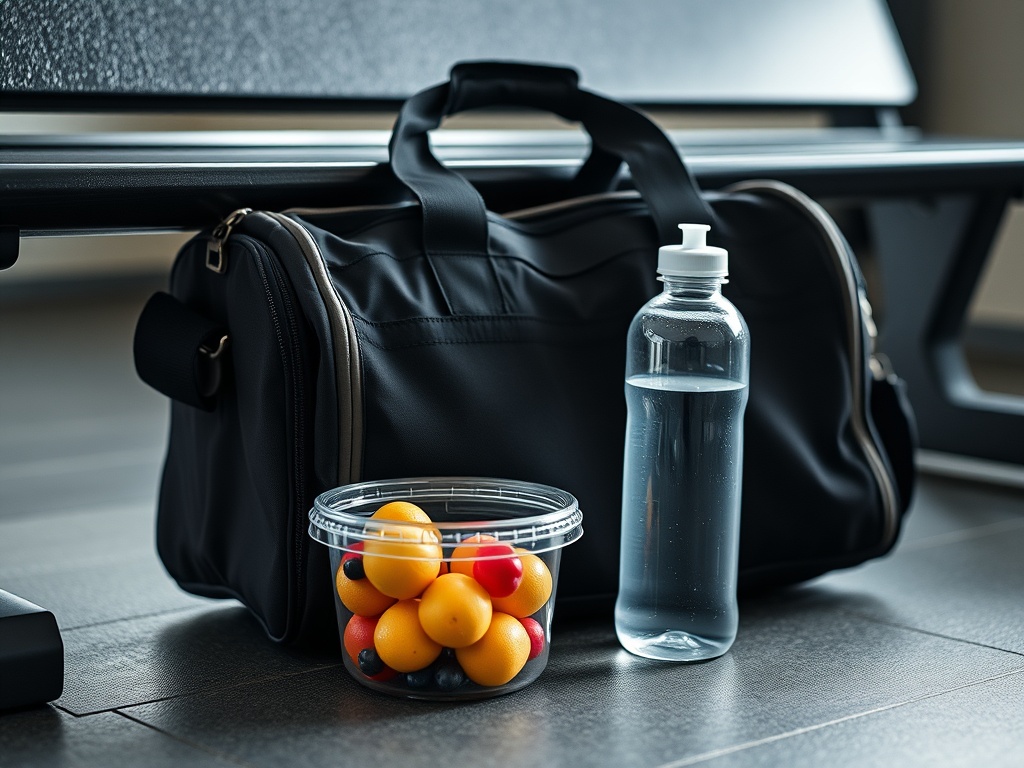
Use a three-part formula: protein for repair and fullness, fiber-rich carbohydrate for energy, and fluid for hydration. Examples include hummus with whole-grain pita and vegetables, cottage cheese with berries, edamame with fruit, or a boiled egg with a small baked potato. This formula avoids the common trap of eating only quick sugar and then feeling hungry again soon after.
For body recomposition goals, snacks can help distribute protein across the day and prevent extreme hunger that leads to inconsistent intake. They cannot override total calories, training quality, or sleep, but they can make the plan easier to repeat.
Mistakes That Make Snacking Less Helpful
One mistake is assuming every packaged fitness food is automatically better. Some bars are convenient, but many are simply candy-like products with added protein. Another mistake is avoiding snacks all day and then overeating at night because hunger became too strong to manage.
Do not copy another person’s macros or supplement routine without context. Food preferences, digestion, cultural patterns, budget, training load, and medical needs all matter. People with diabetes, kidney disease, eating disorder history, pregnancy, or medically prescribed diets should use personalized guidance from qualified professionals.
A Smarter Snack Rotation
Create a short rotation for different situations: one portable snack, one pre-workout snack, one recovery option, and one high-satiety option for long workdays. Keep the list boring enough to repeat and flexible enough that you do not feel trapped.
For the next week, write down when snacks helped and when they felt random. Then adjust portion size, timing, or food type. A good snack strategy should reduce friction around training, not add a complicated rulebook.
Planning Snacks for Real Schedules
A desk worker who trains after work needs different preparation than someone who exercises early in the morning. The after-work exerciser may benefit from a mid-afternoon snack that prevents arriving at the workout under-fueled. The morning exerciser may prefer a small, easy-to-digest option before training and a fuller breakfast afterward.
Budget also matters. Fitness snacks do not have to be specialty products. Beans, eggs, yogurt, seasonal fruit, oats, homemade trail mix, roasted chickpeas, leftover chicken, tofu, or simple sandwiches can be more useful than expensive products with bold packaging.
Taste preferences should be respected because the plan has to repeat. A snack you dislike will eventually be skipped. Build two sweet options, two savory options, and two portable options so the strategy survives busy days, travel, and changes in appetite.
If snacking feels chaotic, set a simple rule for one week: every snack should include either a protein source or a fruit or vegetable. That small filter improves quality without forcing calorie math at every eating occasion.
Portion Awareness Without Food Fear
A snack can be nutritious and still too large for the need, or modest and still very useful. Portion awareness is not the same as restriction. It simply means matching the snack to the situation: a small pre-workout bite, a fuller recovery option, or a higher-satiety choice for a long gap between meals.
Liquid calories deserve attention because they can be easy to consume quickly. Smoothies can be excellent when they contain protein, fruit, and a planned portion. They become less helpful when they accidentally replace a balanced meal or add more energy than the person intended.
For people with a history of disordered eating, rigid tracking can be harmful. A gentler plate-based approach or professional support may be safer than detailed calorie targets.
A Final Check for Snack Quality
Before changing every snack, check the simplest gaps. Are you repeatedly hungry before training? Do you miss protein at breakfast? Are vegetables and fruit absent until dinner? Is your water intake low during long workdays? Fixing one gap at a time creates a calmer strategy than replacing your entire pantry.