Foam rolling may temporarily reduce feelings of tightness and help some people prepare for movement, but it is not a cure for injuries, poor training load, or weak mobility habits. Treat it as one recovery tool, not the foundation of your fitness plan.
Foam Rolling Takeaways
- Foam rolling can feel helpful before or after workouts, but effects vary by person.
- It should not be painful, aggressive, or used to push through injury symptoms.
- Strength, mobility, sleep, and training load usually matter more for long-term progress.
- Use short, targeted sessions instead of rolling every muscle without purpose.
What Foam Rolling Appears to Help
Many people use foam rolling because it makes movement feel easier for a short period. That may be enough reason to include it before squats, runs, or long desk-work days. The likely benefit is not breaking up scar tissue in a dramatic way; it is more likely a temporary change in sensation, pressure tolerance, and readiness to move.
For general activity planning, the broader health priority remains regular movement and strengthening. Guidance such as the CDC’s recommendation to add physical activity gradually is more important than any single recovery accessory.
Foam rolling can fit beside strength training at home, especially when a brief warm-up helps you move through deeper ranges with better control.
What It Does Not Fix
Foam rolling does not replace progressive loading, medical evaluation, sleep, or intelligent scheduling. If your calves are always tight because every run is hard, rolling the calves will not solve the programming problem. If a shoulder hurts during pressing, rolling nearby muscles should not be used to ignore worsening pain.
It also does not guarantee injury prevention. Injury risk is influenced by training load, recovery, previous injury, technique, equipment, fatigue, and health status. Rolling may help you feel prepared, but that feeling should be paired with realistic workout choices.
| Use Case | Reasonable Approach | Red Flag |
|---|---|---|
| Pre-workout stiffness | Brief rolling plus active warm-up | Sharp pain or numbness |
| Post-workout relaxation | Light pressure and slow breathing | Bruising or aggressive pressure |
| Recurring tightness | Review training load and strength gaps | Using rolling to ignore injury |
A Sensible Rolling Routine
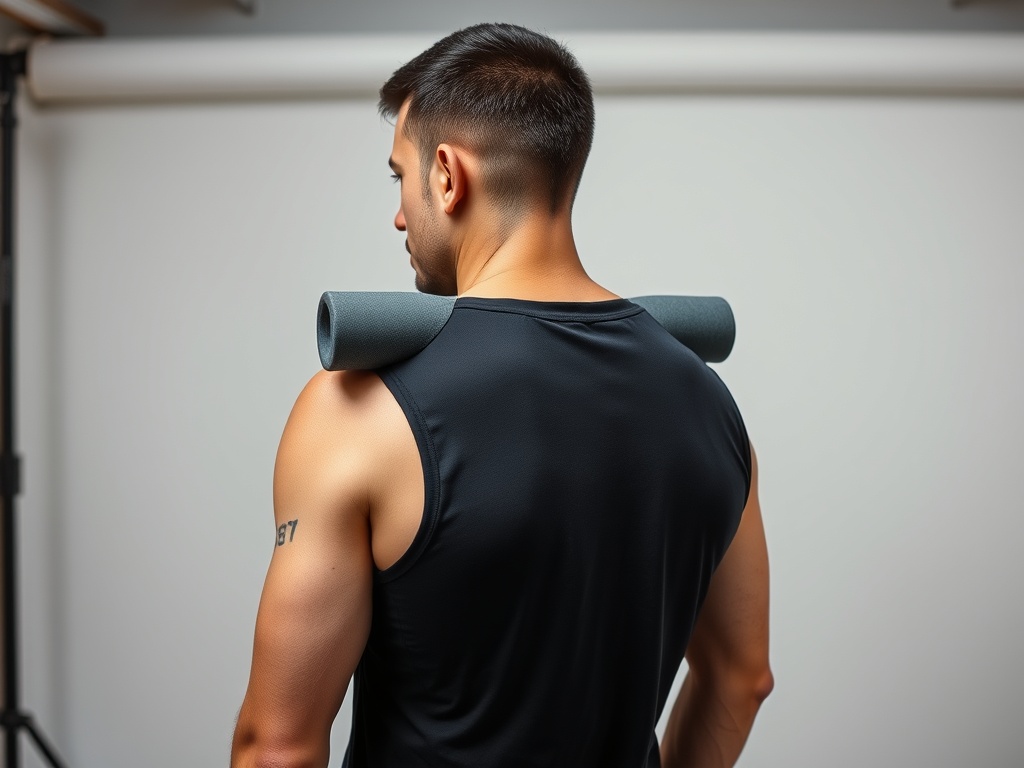
Use one to two minutes on an area that actually feels restricted. Move slowly, breathe normally, and avoid sharp pain, numbness, tingling, or bruising pressure. Follow the rolling with active movement: bodyweight squats, hip hinges, ankle rocks, arm circles, or light sets of the exercise you plan to train.
Before cardio, rolling should be brief enough that it does not become the workout. Before lifting, it should support better positions, not fatigue the tissue. After training, it can be part of a cooldown if it helps you relax, but it is optional.
Misuse Patterns to Avoid
One common mistake is chasing pain. More pressure does not mean more benefit. Another is rolling every day without asking why the same area feels irritated. Repeated tightness might reflect poor workload management, inadequate strength, limited sleep, or too much sitting without breaks.
People also sometimes roll directly over joints, bones, acute bruises, or inflamed areas. That is not a cautious approach. If symptoms are persistent, worsening, or linked to swelling or loss of function, a qualified clinician is a better next step than a harder roller.
Use It as a Support, Not a Strategy
A good rule is to earn your rolling time. If five minutes of rolling makes the next movement session better, keep it. If twenty minutes of rolling has become a ritual that delays training or replaces strengthening, simplify it. Recovery practices should serve the main plan.
For the next week, choose only two target areas and pair each with one active drill. If movement quality improves, the tool is doing its job. If nothing changes, move your attention to programming, sleep, or exercise selection.
Pair Rolling With Movement That Solves the Cause
If the front of the hips always feels tight, rolling may create temporary comfort, but the longer-term plan may require glute strength, hip flexor tolerance, and breaks from prolonged sitting. If calves always feel tight, review walking volume, footwear changes, ankle mobility, and sudden increases in hill work.
The most useful rolling sessions are specific. Choose the area, roll briefly, then test a movement. For example, roll the upper back, then test overhead reach. Roll the quads lightly, then try a bodyweight squat. If the movement does not improve, rolling may not be the best tool for that problem.
Intensity should stay moderate. A grimacing, breath-holding session is not automatically more therapeutic. Relaxed breathing and controlled pressure are better signs that the body is accepting the input.
When rolling becomes a daily requirement just to tolerate normal training, treat that as feedback. The workout plan may need less volume, more strength balance, or more rest between demanding sessions.
Where Rolling Fits in a Warm-Up
A warm-up should prepare the body for the actual session. Foam rolling can be the first two or three minutes, but it should be followed by movement that resembles the workout. For a squat day, that may mean ankle rocks, hip hinges, bodyweight squats, and light sets.
For running, rolling can be followed by walking, easy jogging, leg swings, and gradual pace increases. The body needs rehearsal, not just pressure. A roller can change how you feel, while active preparation teaches the body what is coming.
If time is limited, choose active warm-up drills first. Rolling is optional. Movement quality, good exercise selection, and sensible workload are more important than a long recovery ritual.
A Final Check Before You Roll More
Before extending a rolling routine, ask what problem you are trying to solve. If the answer is vague, shorten the session and spend more time on movement practice. Recovery tools are most useful when they remove a specific barrier to better training, not when they become another task to complete.