A strong fitness mix for many midlife women includes walking for accessible aerobic volume, strength training for muscle and bone support, and selected cardio for stamina or performance. The best version respects symptoms, recovery, schedule, and individual health history.
Midlife Fitness Mix Takeaways
- Walking is valuable, but it should not be the only training mode for most midlife goals.
- Strength work becomes increasingly important for maintaining function and confidence.
- Cardio intensity should be chosen around recovery, joints, sleep, and personal preference.
- Medical conditions, pelvic health concerns, and menopause symptoms may require individualized guidance.
Why the Mix Matters in Midlife
Midlife often brings changing responsibilities, sleep patterns, stress loads, and body composition concerns. Fitness planning works better when it supports function rather than chasing a younger routine. Walking builds approachable volume, strength training helps maintain muscle capacity, and cardio intervals or steady sessions can improve stamina when recovery allows.
The CDC adult guidance includes both aerobic activity and muscle-strengthening work. For midlife women, the practical message is not to pick only one lane. A blend can support daily energy, joint tolerance, and confidence with lifting, carrying, stairs, and recreational activities.
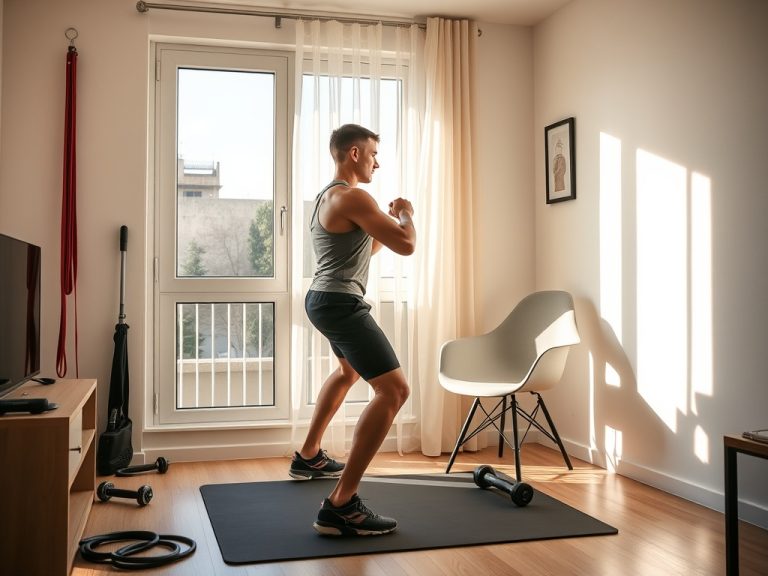
A home-based strength plan can be enough to start if a gym feels inconvenient or intimidating.
Walking as the Foundation, Not the Ceiling
Walking is easy to scale, low barrier, and often joint-friendly. It can be used for active recovery, stress relief, social connection, and aerobic base building. It also helps people re-enter fitness after inconsistent periods because it requires little setup.
The limitation is that walking alone may not provide enough resistance for muscle and bone adaptations. It also may stop feeling challenging unless distance, hills, pace, or consistency changes. That does not reduce its value; it simply clarifies its role.
| Training Piece | Role in the Mix | Easy Way to Start |
|---|---|---|
| Walking | Aerobic base and stress relief | 10 to 30 minutes at conversational pace |
| Strength | Muscle, bone, and daily function support | Two full-body sessions weekly |
| Cardio variety | Stamina and confidence | One bike, swim, dance, or interval session |
Strength Training for Muscle, Bone, and Daily Function
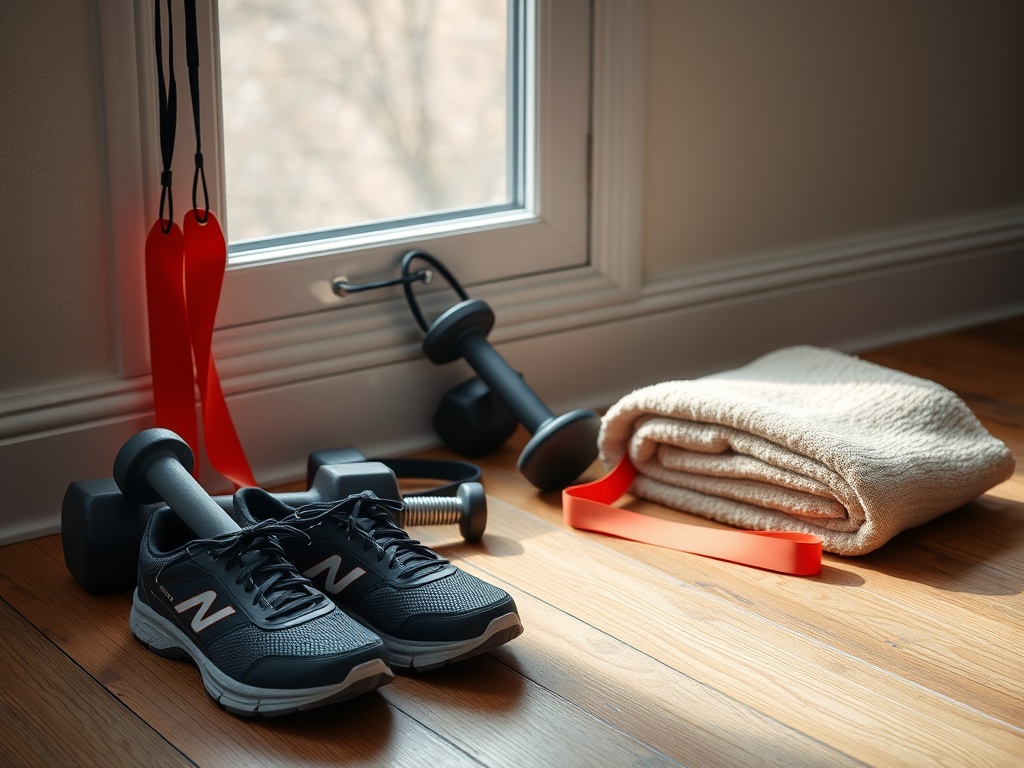
Strength training should cover squatting or sitting-to-standing, hinging, pushing, pulling, carrying, and core bracing. Dumbbells, bands, machines, or bodyweight can all work. The goal is controlled effort that progresses. This is especially relevant when body recomposition is a goal, since muscle retention changes how fat-loss efforts look and feel.
People with pelvic floor symptoms, significant joint pain, osteoporosis, recent surgery, or unmanaged blood pressure should seek individualized advice before heavy lifting. Cautious progression is not weakness; it is how training stays available over the long term.
Cardio Options Beyond Long Sessions
Cardio can include cycling, swimming, incline walking, dancing, rowing, or short intervals. The right choice depends on what your joints tolerate and what you will repeat. If hot flashes, poor sleep, or work stress are high, lower-intensity cardio may be more productive than chasing breathless sessions.
If motivation has dipped, walking with a friend or using a class for accountability can help. The goal is to create a week that feels supportive, not a punishment cycle.
A Sample Balanced Week
A realistic week could include three walks, two strength sessions, and one optional cardio session. Another version could use two walks, three strength sessions, and one mobility or recovery day. Start with the version that feels repeatable, then add difficulty only after consistency is established.
Review the plan monthly. If energy is better, strength is stable, and walking pace feels easier, the mix is working. If soreness, fatigue, or dread rises, reduce intensity before abandoning the entire routine.
Adjusting the Mix Around Symptoms and Seasons
Midlife fitness plans often need seasonal flexibility. Hot weather, poor sleep weeks, caregiving demands, or heavy work periods may call for more walking and fewer hard sessions. A calmer week is not failure if it protects the long-term habit.
Menopause-related symptoms can influence training tolerance for some women. Hot flashes, disrupted sleep, joint aches, and mood shifts may change how hard sessions feel. This does not mean intensity is off limits; it means recovery feedback deserves attention.
Strength work can be scaled by reducing load, range, or sets while preserving the movement pattern. Walking can be divided across the day. Cardio can shift from impact to cycling, swimming, or rowing if joints feel irritated.
Review the plan by function: Are stairs easier? Are groceries easier to carry? Do walks feel more comfortable? These practical signals may be more motivating than chasing an abstract ideal routine.
How to Progress Without Chasing Exhaustion
Progress can be quiet. A walk becomes slightly faster at the same effort, a dumbbell feels more controlled, or stairs feel less intimidating. These changes count because midlife fitness is about capacity that carries into daily life.
Add difficulty in small pieces. One extra strength set, one hill walk, or one moderate cardio interval is enough. Avoid increasing walk distance, weight, and interval intensity in the same week unless the previous plan was far too easy.
A well-mixed plan should leave you with usable energy. If the program makes family, work, and sleep harder, it may be too demanding even if it looks balanced on paper.
A Final Check for Midlife Training Balance
The best mix is the one that improves your real week. If walking supports stress relief, keep it. If strength training makes daily tasks easier, prioritize it. If hard cardio disrupts sleep, use it sparingly. Midlife fitness works best when it respects both ambition and recovery.