Exercising with arthritis is often possible when the plan is low-impact, gradual, and adjusted around symptoms. The safest starting point is usually gentle range-of-motion work, walking or water-based activity, and light strengthening that does not sharply increase joint pain.
Arthritis-Friendly Start Takeaways
- Movement can support joint function, but exercise should be modified around pain and flare-ups.
- Low-impact options are usually better starting points than jumping, sprinting, or heavy loading.
- Strength work helps support joints when introduced gradually.
- Persistent swelling, severe pain, or sudden loss of function deserves medical guidance.
Start With Permission to Modify
Arthritis-friendly exercise is not a weaker version of fitness. It is a more precise version. The goal is to move joints through tolerable ranges, strengthen surrounding muscles, and build confidence without creating symptom spikes that last for days.
The Arthritis Foundation provides exercise resources that emphasize movement matched to individual needs and ability level. That framing matters because arthritis is not one single experience. Symptoms, affected joints, medications, age, and past injuries all influence exercise selection.
A balanced midlife fitness mix can also be adapted for arthritis by choosing lower-impact cardio and controlled strength movements.
The Three-Part Starter Plan
Begin with range-of-motion work: gentle circles, bends, reaches, and controlled joint movements. Then add low-impact aerobic activity such as walking, cycling, pool exercise, or an elliptical if tolerated. Finally, include light strengthening with bands, bodyweight, or small weights.
Strength training guidance for arthritis often includes a broad program of cardio, strength, mobility, and balance. The exact exercises should be adjusted, but the principle is consistent: joints usually benefit from support, not from total avoidance of movement.
If walking is tolerated, use it as a simple base. If walking irritates a hip, knee, or foot, try shorter bouts, a flatter surface, supportive shoes, cycling, or water exercise before concluding cardio is not possible.
| Need | Friendly Option | Modification Idea |
|---|---|---|
| Cardio | Walking, cycling, pool exercise | Break into short bouts |
| Strength | Bands, chair squats, wall push-ups | Limit range and progress slowly |
| Mobility | Gentle joint circles and stretches | Avoid forcing painful positions |

Pain Rules That Keep Progress Cautious
Mild discomfort can occur, especially when starting. Sharp pain, increasing swelling, joint warmth, limping that worsens, or pain that stays elevated into the next day should prompt a scale-down. During flare-ups, range-of-motion work or rest may be more appropriate than pushing through a planned session.
Use a simple traffic-light method. Green means symptoms are stable and movement feels safe. Yellow means reduce range, load, or time. Red means stop and seek guidance if symptoms are severe or unusual.
Exercise Swaps That Often Help
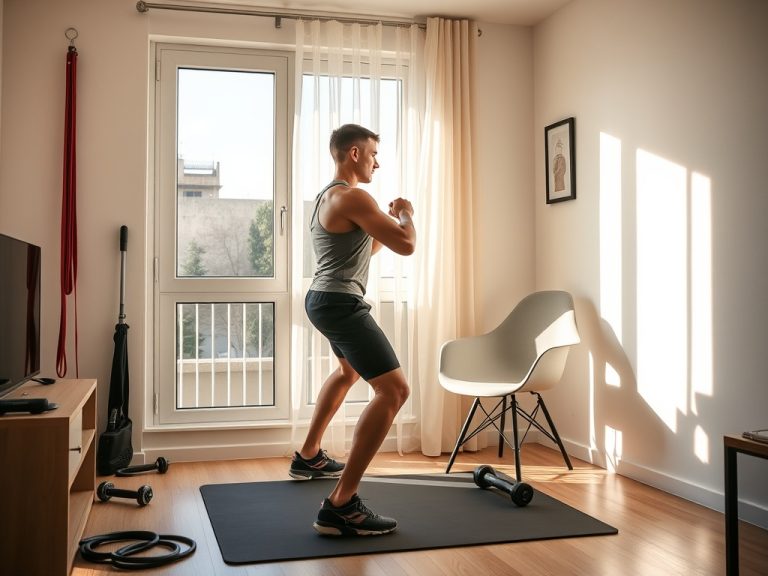
Swap deep knee bends for sit-to-stand from a higher chair. Swap running intervals for cycling intervals. Swap floor push-ups for wall or counter push-ups. Swap long continuous walks for three shorter walks. These modifications let you train the movement pattern while respecting current tolerance.
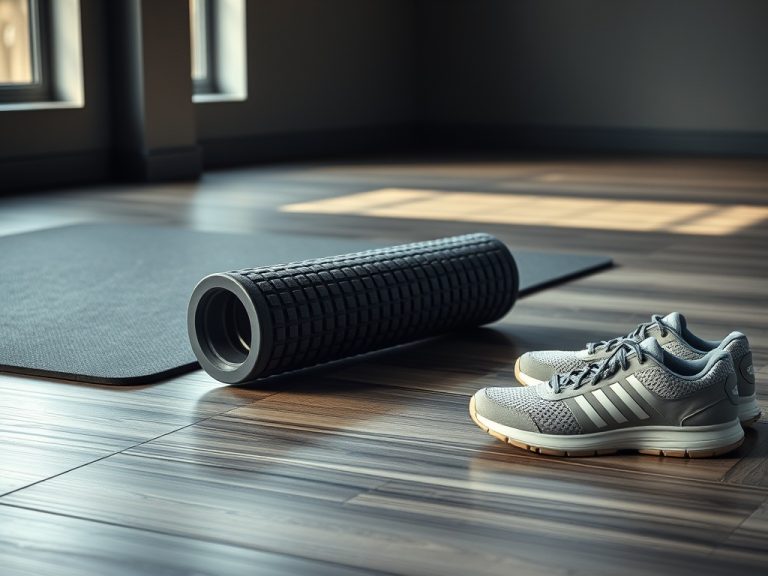
Recovery tools such as gentle mobility or foam rolling around nearby muscles may feel useful, but rolling should never be used directly on painful joints or inflamed areas.
Building Confidence Over the First Month
For four weeks, track session length, exercises, symptom response later that day, and next-morning joint comfort. Increase only one variable at a time. Add five minutes to a walk, one set to a strength movement, or a slightly harder band, not all three together.
If you are unsure where to start, choose ten minutes of gentle movement most days and two light strengthening sessions per week. Progress is not measured by toughness. It is measured by doing more of life with less fear and better control.
A Gentle First-Week Template
Day one can be ten minutes of range-of-motion work and a short walk if tolerated. Day two can be rest or gentle mobility. Day three can include chair sit-to-stands, wall push-ups, and band rows for one or two easy sets. Day four can return to walking, cycling, or pool movement.
The point of the first week is to learn symptom response. If a joint feels slightly worked but settles quickly, that may be acceptable. If pain rises sharply or remains worse the next morning, reduce range, load, or total time.
Warm-ups should be gradual. Start with small motions before larger motions, and use support when balance is uncertain. A cane, rail, chair, or pool wall can make movement safer and more confident.
At the end of the week, keep the exercises that felt stable and remove the ones that caused lingering irritation. Arthritis-friendly progress is built through repeated tolerable sessions, not by forcing the body to accept a plan it is rejecting.
Confidence Markers Beyond Pain Scores
Pain ratings matter, but confidence is also a progress marker. Notice when you stand from a chair more easily, trust a joint on stairs, or feel less anxious about a short walk. These changes show that the plan is improving daily function.
Balance deserves attention because joint discomfort can make people move cautiously. Simple supported balance drills, heel-to-toe walking near a wall, or slow step-ups may help when used carefully and progressed gradually.
Celebrate repeatability. Three tolerable sessions in a week are more valuable than one ambitious workout that causes a flare. Arthritis-friendly training rewards patience, records, and honest modification.
A Final Check for Arthritis-Friendly Progress
Progress should leave you more confident, not more guarded. If you notice better range, steadier balance, easier standing, or less fear of movement, the plan is doing meaningful work. If symptoms keep escalating, reduce the dose and get individualized guidance before trying to push through.